



Introduction to Hex Nut Din 934
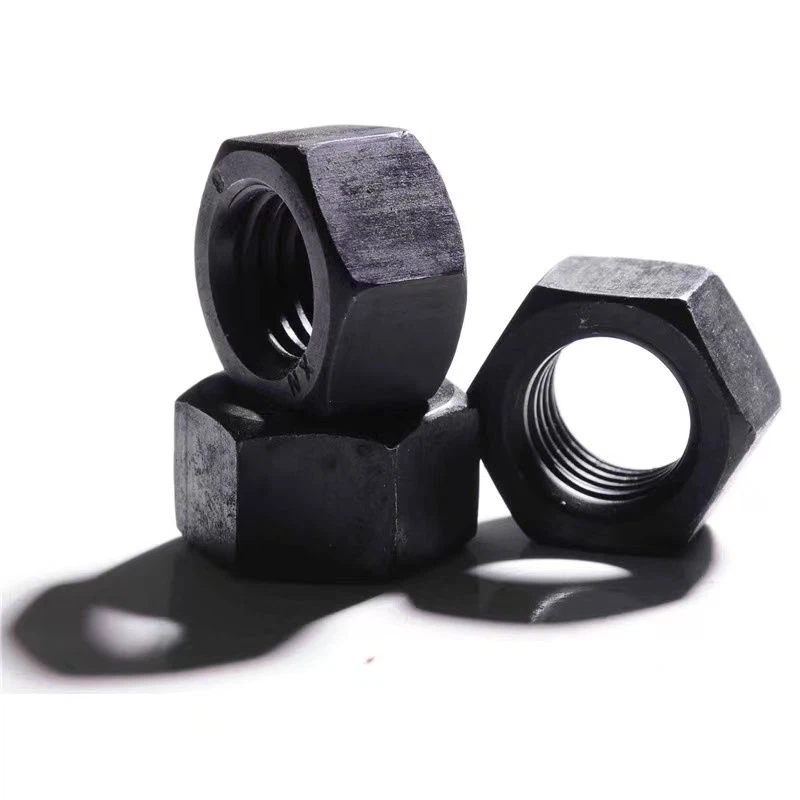
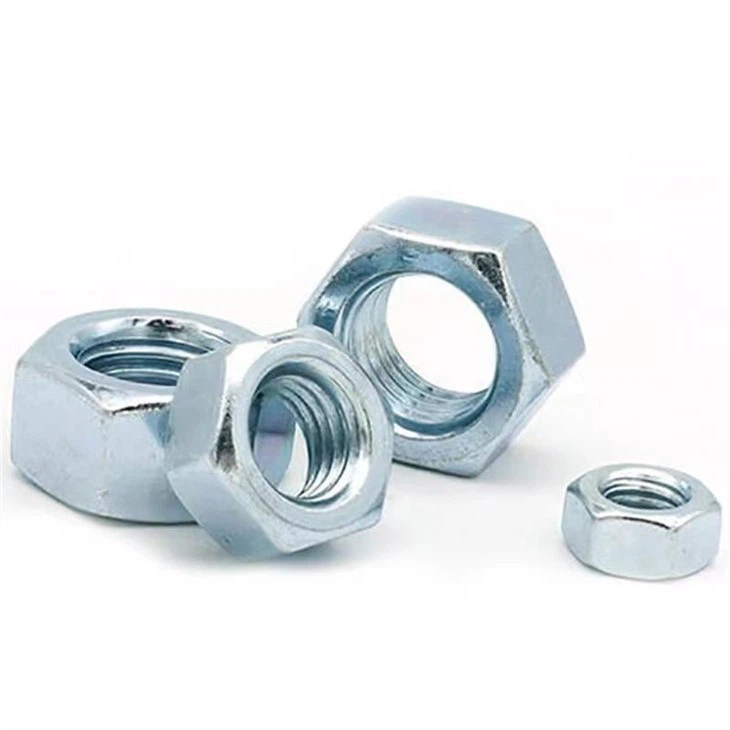
Hex Nut DIN 934, also known as a hexagon nut, has both metric coarse and fine threads. The product grades are A and B. Grade A is used for specifications less than or equal to M16, while Grade B is used for specifications larger than M16. For Grade 8, as fixed by the DIN standard, all sizes of hex nuts should use high-level steel wires and undergo heat treatment. This is referred to as real Grade 8.
Features of Hex Nut DIN 934:
Hex Nut DIN 934 offers several features that make it popular, such as:
- Strength - With its hexagonal shape, a Hex Nut DIN 934 can handle higher amounts of torque without slipping, making it ideal for heavy-duty applications.
- High Tolerance - DIN 934 has a high tolerance level for both internal and external threads, making it an ideal option for irregular or unusually shaped bolts.
- Flexibility - Hex Nut DIN 934 is made in different sizes and materials, making it a versatile option across a wide range of applications and industries.
- Cost-Effective - Being a standard nut, Hex Nut DIN 934 is readily available, making it a cost-effective solution for securing bolts in place.
|
Products name |
Carbon Steel Black DIN934 Hex Nut |
|
Standard |
DIN,ASTM/ANSI JIS EN ISO,AS,GB |
|
Grade |
Steel Grade: DIN: Gr.4.6,4.8,5.6,5.8,8.8,10.9,12.9; SAE: Gr.2,5,8;ASTM: 307A,A325,A490, |
|
Finishing |
Zinc(Yellow,White,Blue,Black),Hop Dip Galvanized(HDG),Black Oxide, |
|
Production Process |
M2-M24:Cold Froging,M24-M100 Hot Forging, |
|
Customized Products Lead time |
30-60days, |
|
Free Samples for standard fastener |
|
DIN 934 real class 8 and false class 8:

|
Thread Size |
M1 |
M1.2 |
M1.4 |
M1.6 |
(M1.7) |
M2 |
(M2.3) |
M2.5 |
(M2.6) |
M3 |
(M3.5) |
||
|
P |
Pitch |
Coarse thread |
0.25 |
0.25 |
0.3 |
0.35 |
0.35 |
0.4 |
0.45 |
0.45 |
0.45 |
0.5 |
0.6 |
|
Fine thread-1 |
/ |
/ |
/ |
/ |
/ |
/ |
/ |
/ |
/ |
/ |
/ |
||
|
Fine thread-2 |
/ |
/ |
/ |
/ |
/ |
/ |
/ |
/ |
/ |
/ |
/ |
||
|
m |
max=nominal size |
0.8 |
1 |
1.2 |
1.3 |
1.4 |
1.6 |
1.8 |
2 |
2 |
2.4 |
2.8 |
|
|
min |
0.55 |
0.75 |
0.95 |
1.05 |
1.15 |
1.35 |
1.55 |
1.75 |
1.75 |
2.15 |
2.55 |
||
|
mw |
min |
0.44 |
0.6 |
0.76 |
0.84 |
0.92 |
1.08 |
1.24 |
1.4 |
1.4 |
1.72 |
2.04 |
|
|
s |
max=nominal size |
2.5 |
3 |
3 |
3.2 |
3.5 |
4 |
4.5 |
5 |
5 |
5.5 |
6 |
|
|
min |
2.4 |
2.9 |
2.9 |
3.02 |
3.38 |
3.82 |
4.32 |
4.82 |
4.82 |
5.32 |
5.82 |
||
|
e |
min |
2.71 |
3.28 |
3.28 |
3.41 |
3.82 |
4.32 |
4.88 |
5.45 |
5.45 |
6.01 |
6.58 |
|
|
* |
- |
- |
- |
- |
- |
- |
- |
- |
- |
- |
- |
||
|
per 1000 units ≈ kg |
0.03 |
0.054 |
0.063 |
0.076 |
0.1 |
0.142 |
0.2 |
0.28 |
0.72 |
0.384 |
0.514 |
||
|
Thread Size |
M4 |
M5 |
M6 |
(M7) |
M8 |
M10 |
M12 |
(M14) |
M16 |
(M18) |
M20 |
||
|
P |
Pitch |
Coarse thread |
0.7 |
0.8 |
1 |
1 |
1.25 |
1.5 |
1.75 |
2 |
2 |
2.5 |
2.5 |
|
Fine thread-1 |
/ |
/ |
/ |
/ |
1 |
1 |
1.5 |
1.5 |
1.5 |
1.5 |
2 |
||
|
Fine thread-2 |
/ |
/ |
/ |
/ |
/ |
1.25 |
1.25 |
/ |
/ |
2 |
1.5 |
||
|
m |
max=nominal size |
3.2 |
4 |
5 |
5.5 |
6.5 |
8 |
10 |
11 |
13 |
15 |
16 |
|
|
min |
2.9 |
3.7 |
4.7 |
5.2 |
6.14 |
7.64 |
9.64 |
10.3 |
12.3 |
14.3 |
14.9 |
||
|
mw |
min |
2.32 |
2.96 |
3.76 |
4.16 |
4.91 |
6.11 |
7.71 |
8.24 |
9.84 |
11.44 |
11.92 |
|
|
s |
max=nominal size |
7 |
8 |
10 |
11 |
13 |
17 |
19 |
22 |
24 |
27 |
30 |
|
|
min |
6.78 |
7.78 |
9.78 |
10.73 |
12.73 |
16.73 |
18.67 |
21.67 |
23.67 |
26.16 |
29.16 |
||
|
e |
min |
7.66 |
8.79 |
11.05 |
12.12 |
14.38 |
18.9 |
21.1 |
24.49 |
26.75 |
29.56 |
32.95 |
|
|
* |
- |
- |
- |
- |
- |
- |
- |
- |
- |
- |
- |
||
|
per 1000 units ≈ kg |
0.81 |
1.23 |
2.5 |
3.12 |
5.2 |
11.6 |
17.3 |
25 |
33.3 |
49.4 |
64.4 |
||
|
Thread Size |
(M22) |
M24 |
(M27) |
M30 |
(M33) |
M36 |
(M39) |
M42 |
(M45) |
M48 |
(M52) |
||
|
P |
Pitch |
Coarse thread |
2.5 |
3 |
3 |
3.5 |
3.5 |
4 |
4 |
4.5 |
4.5 |
5 |
5 |
|
Fine thread-1 |
1.5 |
2 |
2 |
2 |
2 |
3 |
3 |
3 |
3 |
3 |
3 |
||
|
Fine thread-2 |
2 |
/ |
/ |
/ |
/ |
/ |
/ |
/ |
/ |
/ |
/ |
||
|
m |
max=nominal size |
18 |
19 |
22 |
24 |
26 |
29 |
31 |
34 |
36 |
38 |
42 |
|
|
min |
16.9 |
17.7 |
20.7 |
22.7 |
24.7 |
27.4 |
29.4 |
32.4 |
34.4 |
36.4 |
40.4 |
||
|
mw |
min |
13.52 |
14.16 |
16.56 |
18.16 |
19.76 |
21.92 |
23.52 |
25.9 |
27.5 |
29.1 |
32.3 |
|
|
s |
max=nominal size |
32 |
36 |
41 |
46 |
50 |
55 |
60 |
65 |
70 |
75 |
80 |
|
|
min |
31 |
35 |
40 |
45 |
49 |
53.8 |
58.8 |
63.1 |
68.1 |
73.1 |
78.1 |
||
|
e |
min |
35.03 |
39.55 |
45.2 |
50.85 |
55.37 |
60.79 |
66.44 |
71.3 |
76.95 |
82.6 |
88.25 |
|
|
* |
- |
- |
- |
- |
- |
- |
- |
- |
- |
- |
- |
||
|
per 1000 units ≈ kg |
79 |
110 |
165 |
223 |
288 |
393 |
502 |
652 |
800 |
977 |
1220 |
||
|
Thread Size |
M56 |
(M60) |
M64 |
(M68) |
M72 |
(M76) |
M80 |
(M85) |
M90 |
M100 |
M110 |
||
|
P |
Pitch |
Coarse thread |
5.5 |
5.5 |
6 |
6 |
/ |
/ |
/ |
/ |
/ |
/ |
/ |
|
Fine thread-1 |
4 |
4 |
4 |
/ |
6 |
6 |
6 |
6 |
6 |
6 |
6 |
||
|
Fine thread-2 |
/ |
/ |
/ |
4 |
4 |
4 |
4 |
4 |
4 |
4 |
4 |
||
|
m |
max=nominal size |
45 |
48 |
51 |
54 |
58 |
61 |
64 |
68 |
72 |
80 |
88 |
|
|
min |
43.4 |
46.4 |
49.1 |
52.1 |
56.1 |
59.1 |
62.1 |
66.1 |
70.1 |
78.1 |
85.8 |
||
|
mw |
min |
34.7 |
37.1 |
39.3 |
41.7 |
44.9 |
47.3 |
49.7 |
52.9 |
56.1 |
62.5 |
68.6 |
|
|
s |
max=nominal size |
85 |
90 |
95 |
100 |
105 |
110 |
115 |
120 |
130 |
145 |
155 |
|
|
min |
82.8 |
87.8 |
92.8 |
97.8 |
102.8 |
107.8 |
112.8 |
117.8 |
127.5 |
142.5 |
152.5 |
||
|
e |
min |
93.56 |
99.21 |
104.86 |
110.51 |
116.16 |
121.81 |
127.46 |
133.11 |
144.08 |
161.02 |
172.32 |
|
|
* |
- |
- |
- |
- |
- |
- |
- |
- |
- |
- |
170 |
||
|
per 1000 units ≈ kg |
1420 |
1690 |
1980 |
2300 |
2670 |
3040 |
3440 |
3930 |
4930 |
6820 |
8200 |
||
|
Thread Size |
M125 |
M140 |
M160 |
|
|
|
|
|
|
|
|
||
|
P |
Pitch |
Coarse thread |
/ |
/ |
/ |
|
|
|
|
|
|
|
|
|
Fine thread-1 |
6 |
6 |
6 |
|
|
|
|
|
|
|
|
||
|
Fine thread-2 |
4 |
/ |
/ |
|
|
|
|
|
|
|
|
||
|
m |
max=nominal size |
100 |
112 |
128 |
|
|
|
|
|
|
|
|
|
|
min |
97.8 |
109.8 |
125.5 |
|
|
|
|
|
|
|
|
||
|
mw |
min |
78.2 |
87.8 |
100 |
|
|
|
|
|
|
|
|
|
|
s |
max=nominal size |
180 |
200 |
230 |
|
|
|
|
|
|
|
|
|
|
min |
177.5 |
195.4 |
225.4 |
|
|
|
|
|
|
|
|
||
|
e |
min |
200.57 |
220.8 |
254.7 |
|
|
|
|
|
|
|
|
|
|
* |
196 |
216 |
248 |
|
|
|
|
|
|
|
|
||
|
per 1000 units ≈ kg |
13000 |
17500 |
26500 |
|
|
|
|
|
|
|
|
||
DIN934 VS ISO4032:

Applications of Hex Nut DIN 934
Hex nuts are widely used in numerous industries and applications, including:
- Construction: They are employed in building structures, bridges, and other construction projects to fasten beams, columns, and various components together.
- Automotive: Hex nuts are utilized in automobiles and vehicles to secure parts, such as wheels, suspension components, and engine parts.
- Machinery: In machinery and equipment, hex nuts are used to join different components, ensuring the proper functioning of the machines.
- Furniture Assembly: Hex nuts are commonly used in ready-to-assemble furniture, providing a sturdy connection between various pieces.
- Electrical and Electronics: Hex nuts can be found in electrical enclosures and electronic equipment, helping to secure components and maintain grounding connections.
- Plumbing: They are used in plumbing applications to connect pipes, fittings, and fixtures.
Hex Nut Din 934 suppliers Product Recommendations
Bolt Grade 4.8: The bolt grade 4.8 is a standard specification of low or medium carbon alloy grade. Bolt Grade 4.8 can be either fully or partially threaded. These bolts have an external male thread that has a matching female thread.
Carbon Steel Stud Bolt: The Carbon Steel Stud Bolts are used in tight spaces to fasten two components together. The carbon steel material has less ductility but high hardness. This allows for carbon steels to be used applications that require high hardness such as the Carbon Steel Stud Bolts in oil and gas industries and in transmission lines.
Carbon Steel U Bolt Galvanized: Carbon steel U bolt galvanized are bolts made from carbon steel that have been bent into the shape of the letter U and galvanized to resist corrosion. Carbon steel U bolt galvanized are used to attach cylindrical shapes, like pipes, to structures using nuts and washers. They can be used in many applications, including bridges, buildings, automobiles, and tower structural reinforcement.
Eye Bolt Galvanized: The eye bolt galvanized is a type of bolt with a loop at one end. They are used for a wide variety of material lifting applications and may either pivot or swivel. The securing eye must be securely attached to the structure before ropes or cables are tied for lifting. In some instances, there will be a purpose-made hole for the eye bolt galvanized. The load may also have to be attached to a hole designed for alternative use, such as the stud.
Flange Bolt Din 6921: Flange Bolt Din 6921 is hexagon bolts with a washer-like flange built into the head. The flange bolt din 6921 acts like a washer to spread the load over a wider area, which can make them faster to install than traditional bolts and washers, especially on assembly lines.
Flange Bolt Galvanized: Flange Bolt Galvanizeds are fasteners with an integrated washer-like flange head on one side. The other side has a threaded shaft. Then the flange bolt is coated with a zinc layer for galvanization. This design and process enhance the strength of the bolt to attach two components and withstand them.
Flange Bolt Yellow Zinc: Flange Bolt Yellow Zinc are fasteners that have been zinc-plated and then given a yellow chromate conversion coating. The chromate coating adds a yellow color and an extra layer of protection against corrosion.
Hex Nut Din 934 Manufacturers Questions Guide:
FAQ
Q: What is Hex Nut DIN 934?
Q: What is carbon steel wedge anchor used for?
Q: What are the tips for using Drywall Screws Black?
Use stainless steel or coated screws designed for damp environments
Ensure proper installation
Countersink the screws
Seal the screw heads with waterproof caulk or sealant
Q: What is the function of Flat Washer Din125?
Q: What are the applications of High Strength Flat Washer Grade 8.8?
Offshore and chemical: Distribute the load of the threaded fastener
Engineering and aerospace: Used for tightening connections
Automotive: High strength grade 8.8 washers are used in this industry
Oil and gas: Large size grade 8.8 washers are used in this industry
Power generation: Metric grade 8.8 washers are used in this industry
Q: What are the characteristics of High Strength Wear Resistant Steel Plate?
Durability: They can withstand severe wear and tear without losing their structural integrity, making them a cost-effective solution.
Resistance: They are resistant to wear, corrosion, rust, and acidic environments. They can also withstand impact and shock, and are resistant to high temperatures.
Weldability: They can be easily welded and fabricated to fit specific project requirements.
Q: Where is Wear Resistant Steel widely used?
Q: How Carbon Steel Wedge Anchors Work?
A very simple mechanism allows excellent consistent holding values in concrete to be achieved. Once inserted into the hole in the concrete, the nut is turned clockwise. This action pulls the anchor body up, which slides the expansion clip down the cone-shaped working end of the carbon steel wedge anchor. The clip is then expanded and wedges between the anchor body and the concrete.
Q: What is the function of Cap Nut Din 1587?
Protecting the threaded portion of a fastener from damage
Providing an aesthetically pleasing finish
Increasing the performance of an application or assembly
Reducing contact with the thread
Protecting against sharp edges
Protecting people or objects from exposed thread ends
Q: Can I prevent drywall screws black from rusting outdoors?
Q: What are the properties of High Strength Wear Resistant Steel Plate?
The chemical composition of high strength wear resistant steel plates includes alloying elements such as chromium, nickel, and molybdenum, which enhance the strength and wear resistance of the material.
Q: What are the advantages of Wear Resistant Steel?
Longer service life: It can last up to four times longer than conventional steel
Higher payloads: It can support heavier loads
Higher workshop productivity: It can increase productivity
Enhanced durability: It's more resistant to scratches, scuffs, and impact
Decreased weight: It can make equipment lighter
Q: What are the components of Carbon Steel Wedge Anchor?
Anchor Body – is made from carbon steel or stainless steel; it is threaded on one end for a portion of its length while the diameter is necked down and cone shaped tapering up to the nominal diameter at its other end.
Expansion Clip – is permanently attached to the anchor body around the necked down area of the anchor body.
Nut – is a standard national coarse hex nut; carbon steel and zinc plated or stainless steel.
Washer –is an SAE standard washer; carbon steel and zinc plated or stainless steel.
Q: Hot Dipped Galvanized Washer is same as high strength flat washer grade 8.8?
A hot-dipped galvanized washer is coated with a layer of zinc to protect it from rust and corrosion. In contrast, a high strength flat washer is designed to be used with high tensile bolts and screws and is made from high-strength materials like hardened or stainless steel to distribute clamping force evenly across the joint surface and prevent damage.
Although a hot-dipped galvanized washer can also be a high strength flat washer, they serve different purposes and possess distinct characteristics. It is essential to choose the appropriate washer for your specific needs.
Q: Are there any alternative fasteners to drywall screws black?
Hot Tags: hex nut din 934, China hex nut din 934 manufacturers, suppliers, factory, Cap Nut Din 1587, , , , Cap Nut Din 1587