

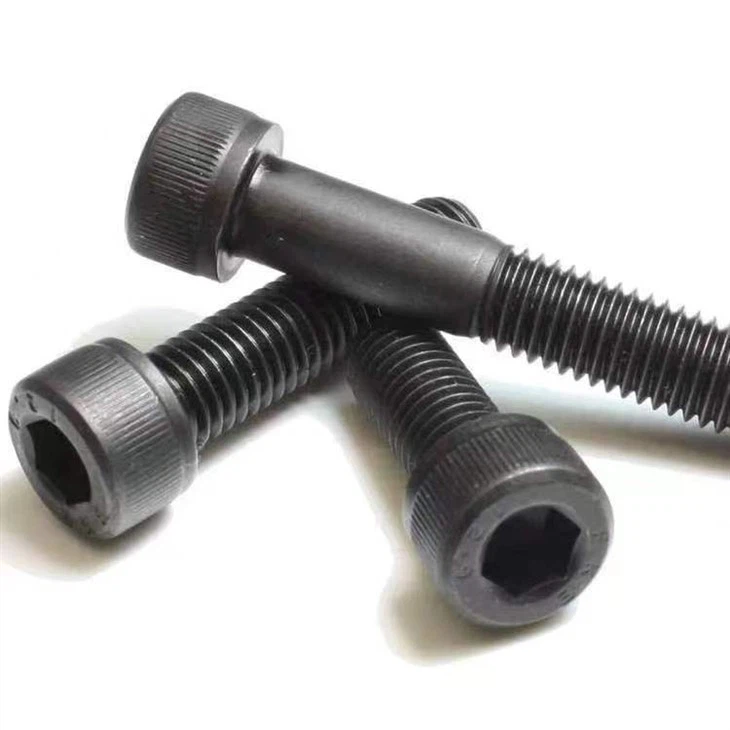
A bolt is a type of fastener that is commonly used to join two or more objects together. It generally consists of a cylindrical shaft with a smooth, threaded section at one end and a head at the other end. The threaded section of a bolt allows it to be inserted into a pre-threaded hole, often accompanied by a nut, and tightened to secure objects in place. Bolts are typically made of various materials, including steel, titanium, and alloys, and are available in a wide range of sizes and configurations to suit different applications.
Advantages of Bolts
Stronger joints
One of the primary advantages of using bolts is that they create stronger joints than other types of fasteners. This is because bolts are designed to be tightened to a specific torque, which creates a more secure joint. Additionally, bolts are less likely to loosen over time, which can often be an issue with other types of fasteners.
Increased safety
Another advantage of using bolts is that they can help to increase safety. This is because bolts are less likely to fail than other types of fasteners, which can often come loose over time. Additionally, bolts are less likely to cause damage to the surrounding area if they do fail, as they will simply snap instead of shatter.
Easier to install
Bolts are also generally easier to install than other types of fasteners. This is because they do not require any special tools or equipment for installation. Additionally, bolts can be installed quickly and easily, even by those with limited experience.
More aesthetically pleasing
Bolts are also more aesthetically pleasing than other types of fasteners. This is because they are available in a variety of finishes, such as zinc-plated or stainless steel. Additionally, bolts can be color coded to match the surrounding area, which can add a touch of style to any project.



why choose us
High quality
Our products are manufactured or executed to very high standards, using the finest materials and manufacturing processes.
Rich experience
Dedicated to strict quality control and attentive customer service, our experienced staff is always available to discuss your requirements and ensure complete customer satisfaction.
Quality control
We have professional personnel to monitor the production process, inspect the products and ensure that the final product meets the required quality level standards, guidelines and specifications.
24h online service
We try and respond to all concerns within 24 hours and our teams are always at your disposal in case of any emergencies.
Types of Bolts
Hex bolts
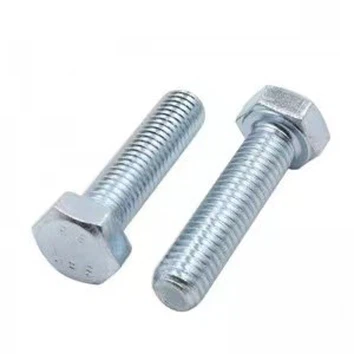
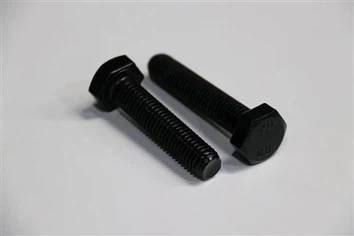
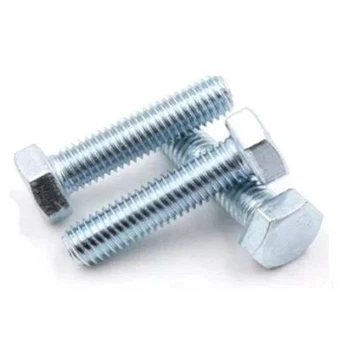
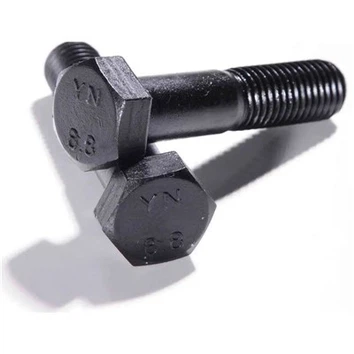
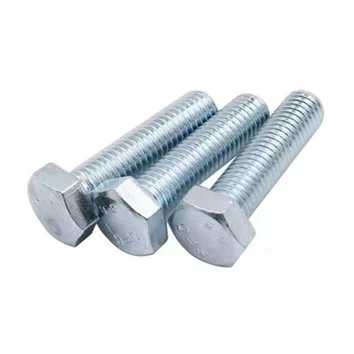
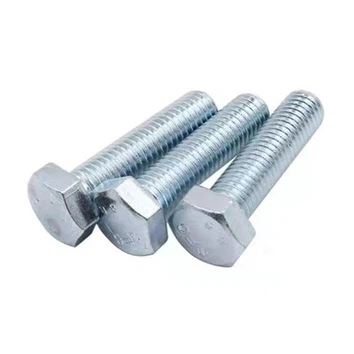
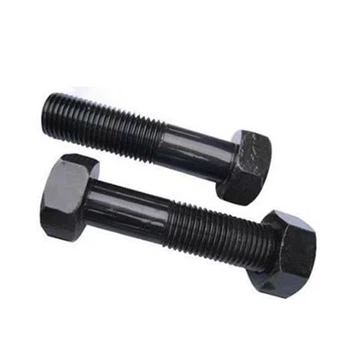
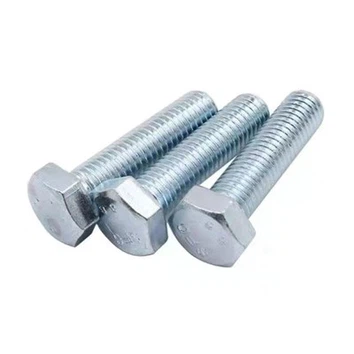
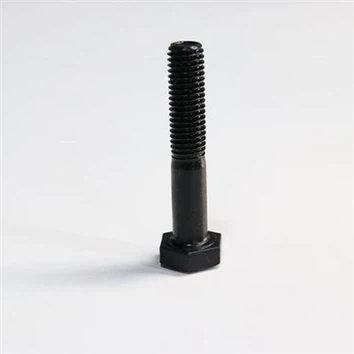
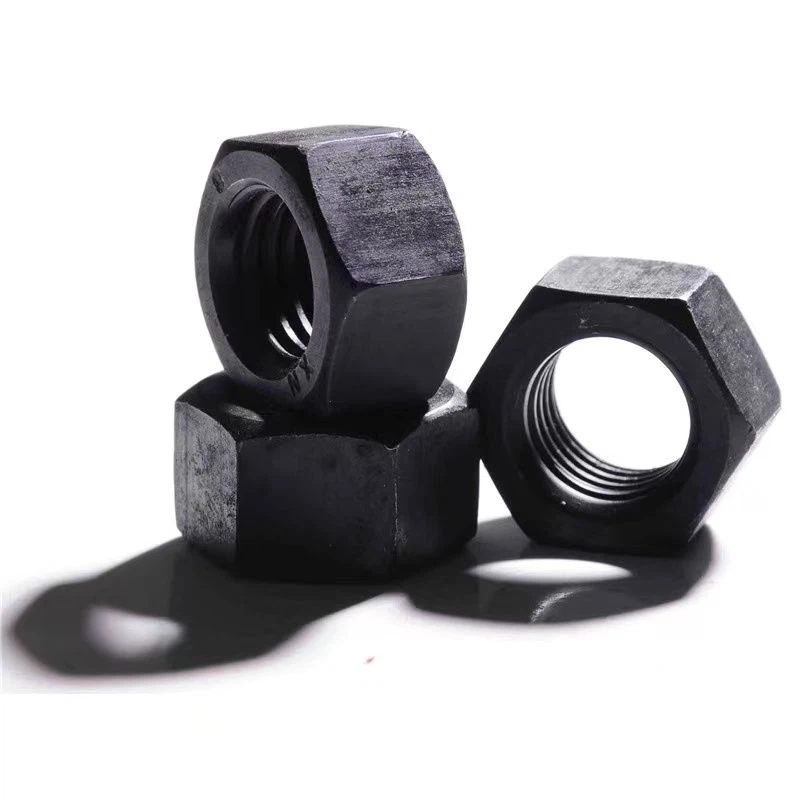
Hex bolts, also known as hex head bolts, are the most widely used bolts. They have a hexagonal head that provides ample grip for a wrench or pliers, making them ideal for applications that require high tightening torque.

Flange bolts
Flange bolts have an integrated washer that distributes the load and provides a broader bearing surface. They are commonly used in automotive and industrial applications.

Lag bolts
Lag bolts, also known as lag screws, have a coarse thread that provides enhanced bite into the wood. They come in a variety of lengths and diameters and are commonly used in construction, woodworking, and landscaping.

U bolts
U bolts have a U-shaped design with threads on each end and are used to secure pipes to walls or floors. They come in different shapes and sizes and can be customized to fit specific applications.
Bolts can be made from a variety of materials, each offering unique properties and benefits. Common materials for bolts include steel, stainless steel, brass, and titanium. Steel bolts are strong and durable, making them suitable for a wide range of applications. Stainless steel bolts are highly resistant to corrosion, which makes them ideal for use in harsh environments. Brass bolts are commonly used in applications that require high conductivity, while titanium bolts are lightweight yet strong, making them suitable for aerospace and other high-performance applications.
Application of Bolts
Construction
Bolts are extensively used in the construction industry for connecting beams, joints, and trusses. They provide great strength and can withstand high loads, making them ideal for construction projects of all sizes.
Automotive
Bolts are used extensively in the automotive industry, as they provide secure connections for various components. From engine parts to body components, bolts are essential in the assembly of vehicles.
Industrial Machinery
Bolts are used in the manufacturing of various types of equipment, including heavy machinery. They provide a secure connection that can withstand the high forces and vibrations that machines produce.
Aerospace
The aerospace industry uses bolts extensively in the manufacturing of aircraft. Bolts used in this industry must meet strict quality standards to ensure they can withstand the stresses of flight and maintain their strength over time.
Marine
Bolts are used extensively in the marine industry, as they are resistant to corrosion from the saltwater environment. They are used to connect various components of ships and boats, including the hulls, decks, and superstructures.
Electrical
Bolts are used in the electrical industry for connecting various components of electrical systems, including wiring, switches, and breakers.
Process of Bolts
Wire Drawing
Heading
Thread Rolling
Heat Treatment
Surface Treatment
Components of Bolts
The Head
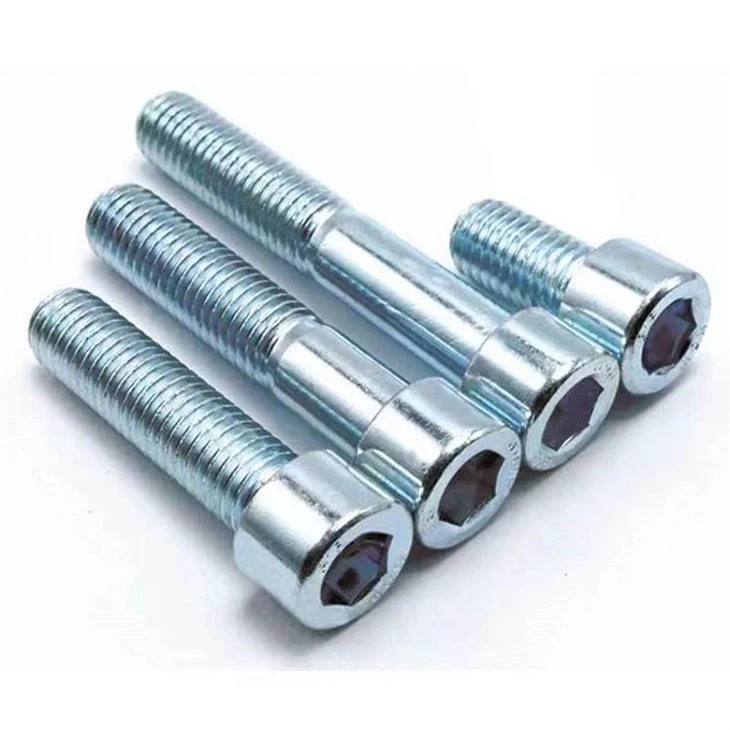
This is the top part of the bolt that is used to tighten or loosen it. It is often hexagonal in shape, allowing it to be easily turned using a wrench or pliers. Other types of bolt heads include square, round, and custom shapes. The head can also be designed with a decorative finish to match the overall aesthetic of the structure.
The Shank
This is the straight, cylindrical portion of the bolt that sits between the head and the threaded end. Its size and length determine the overall strength of the bolt. Generally, bolts with thicker shanks are stronger and more durable. The shank can also be made from different materials, including steel, brass, and aluminum.
The Thread
This is the spiral-shaped ridge that runs along the length of the bolt. The thread plays a critical role in fastening the bolt to a surface or structure. The thread size and pitch (spacing between the threads) will determine the torque required to tighten or loosen the bolt.
Maintenance of Bolts

Regular Inspections
Check bolts on a regular basis to ensure that they are tight and secure. Loose bolts can become a serious safety hazard and lead to machinery failures or structural collapses.
Lubrication
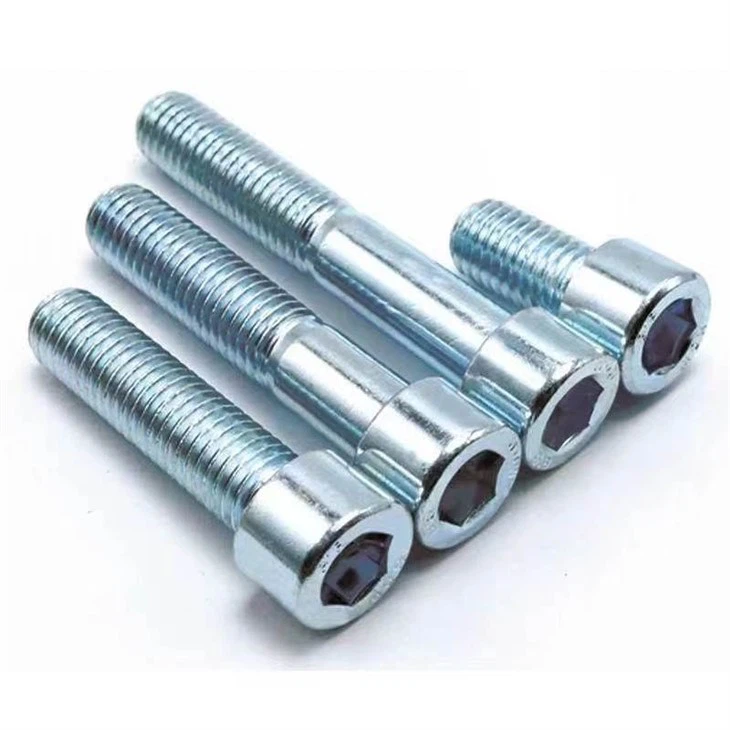
Apply lubricant periodically to bolts to prevent corrosion and reduce friction. Lubricants also help to reduce wear and tear on the bolts and make them easier to tighten or loosen.
Cleaning
Remove any dirt, debris, or other contaminants on or around the bolts. Dirt can cause corrosion and other types of damage, while debris can interfere with the tightening and loosening of the bolts.

Corrosion Prevention
Use corrosion-resistant bolts or coatings to prevent rust and other types of corrosion. Regularly inspect bolts for signs of corrosion, such as discoloration or roughness, and replace any affected bolts immediately.

Tightening
Tighten bolts to the manufacturer's specification. Over-tightening can damage the bolts or weaken the structure, while under-tightening can lead to looseness or failure.

Replacement
Replace any bolts that are damaged, worn, or have reached the end of their lifespan. Always use high-quality bolts that are designed for the specific application.
Precautions of Bolts
Choose The Right Bolt
Always choose the right bolt for your application. The size and the grade of the bolt should match the requirements of the application. The wrong bolt can lead to bolt failure and catastrophic results.
Check Bolt Tension
Ensure that the bolts are tightened to the correct tension. Over-tightening or under-tightening can result in bolt failure. Use a torque wrench to ensure that the bolt tension is within the recommended range.
Inspect Bolts Regularly
Bolts should be inspected regularly to ensure that they are not corroded, bent, damaged, or loose. Replace any worn or damaged bolts immediately.
Use Proper Thread Lubrication
Proper thread lubrication will help to reduce friction and wear on the thread, making it easier to tighten the bolt and prevent it from seizing.
Use Appropriate Fastening Techniques
Always use appropriate fastening techniques such as torqueing, tighten from the center to the outside, and tighten in a cross pattern.
Consider Environmental Factors
Consider environmental factors such as temperature, humidity, and chemicals. Extreme temperatures and exposure to chemicals can cause the bolts to corrode and weaken over time.
Proper Storage
Store bolts in a dry and cool environment to prevent corrosion.
Observe Safety Precautions
Always wear appropriate safety gear such as gloves and eye protection when handling bolts.
How to Choose Bolts
The size and length of the bolt depend on the specific task or application. The diameter of the bolt determines the strength, while the length of the bolt determines how deep it will be embedded into the material.
Bolts come in a variety of materials, such as steel, brass, and titanium. Choose the material based on the application and environmental conditions, such as exposure to corrosion, extreme temperatures, or chemicals.
Bolts come with different thread types and pitches, such as coarse, fine, or metric. Ensure that the thread type and pitch match the application to prevent cross-threading, which can lead to bolt failure.
Bolts come with different head types, such as hex, button, or socket. The head type should match the application and the tool used to tighten or loosen the bolt.
Bolts can be coated or finished to increase their resistance to corrosion or to provide a decorative finish. Choose a coating or finish that is appropriate for the application and environmental conditions.
Bolts are rated based on their strength, from low-grade to high-grade. Choose a bolt with a strength grade that matches the application and load requirements.
Choose a bolt that meets industry or manufacturer standards, such as astm or iso, to ensure the quality and consistency of the bolt.
Bolts are mechanical fasteners that are used to join two or more components together. They have several characteristics that are essential to their function. Firstly, bolts are threaded fasteners, which means they have spiral ridges on the shank or body of the bolt. Threaded bolts create a secure connection by screwing into the material they are being fastened to. Secondly, bolts are made of materials that can withstand stress, pressure, and tension. Common materials for bolts include carbon steel, stainless steel, and titanium. Thirdly, bolts come in a variety of sizes and shapes to accommodate different applications. The most common types of bolts are hex bolts, carriage bolts, and anchor bolts. Lastly, bolts require a compatible nut and washer to ensure a secure fit and prevent loosening over time.
Choose The Right Bolts And Nuts
Before you begin installation, first make sure you have the correct bolts and nuts. Both components should be sized and shaped to match your application and device. Choosing the correct components ensures that the bolts are securely and stably attached to the equipment and capable of withstanding the expected loads.
Prepare The Installation Area
Before installing the bolts, make sure the installation area is clean and flat. If the bolt will be installed on a metal surface, it may be necessary to use sandpaper or other tools to remove rust or burrs from the surface. Also, make sure the mounting bolts are in the correct location and are easily accessible.
Install Bolts
The steps for installing bolts usually include the following steps: First, mark the direction of the threads on the bolt to facilitate installation; then, screw the bolt into the screw hole until the head of the bolt is at the top of the screw hole; finally, remove the nut screw on the bolts to secure the bolts and screw holes. During the installation process, you need to ensure that the bolts and nuts are tightened appropriately, neither too loose nor too tight.
Inspection And Testing
After installation, the bolts need to be inspected and tested to ensure they have been installed correctly and can withstand the expected loads. Check the bolts for obvious damage or deformation and the nuts for loose or missing nuts. In addition, the tightness of the bolts needs to be tested to ensure that the bolts will remain tight under various operating conditions.
Working Principle Bolts
The working principle of bolts is based on the mechanical connection between two parts. A bolt consists of a threaded shaft and a head at one end, which can be driven into a hole in another object. Once the bolt is inserted into the hole and tightened, the threads engage with the walls of the hole, creating a strong mechanical bond. The head of the bolt provides a surface for driving the bolt home, usually with a wrench or a screwdriver. The bolt itself is often made of metal like steel or aluminum, and it can be coated with various materials for protection against corrosion or wear. Overall, the working principle of bolts relies on the frictional force generated by the engagement of the threads within the bolt and the walls of the hole.
Certifications


FAQ
Q: What are bolts made of?
Q: What is the difference between a bolt and a screw?
Q: How do you measure the length of a bolt?
Q: What is the standard thread size for bolts?
Q: How do you tighten a bolt properly?
Q: What is the torque requirement for a specific bolt size?
Q: What is the maximum capacity of a bolted joint?
Q: How do you select the correct bolt for a specific application?
Q: What is the typical thread pitch for a bolt?
Q: What type of coating is used on bolts to prevent corrosion?
Q: What is the difference between a grade 5 and grade 8 bolt?
Q: How do you remove a stripped bolt?
Q: What is the maximum temperature a bolt can withstand?
Q: What is the recommended tightening sequence for multiple bolts?
Q: What is the minimum thread engagement for a bolt?
Q: How do you prevent bolts from vibrating loose?
Q: Can bolts be reused after they have been tightened?
Q: What is the difference between a hollow bolt and a solid bolt?
Q: How do you determine the shear strength of a bolt?
Q: What is the maximum bolt preload that can be applied?
We're professional bolts manufacturers and suppliers in China, specialized in providing high quality customized service. Please rest assured to buy discount bolts from our factory. Good service and low price are available.
Hex Bolt Din 933 Cl 8 8,