

Screws are threaded fasteners that are used to join two or more objects together. They consist of a cylindrical shaft with helical ridges that grip into the material being fastened. The head of the screw is typically shaped to facilitate turning with a screwdriver or drill. There are many different types of screws available, including wood screws, machine screws, self-tapping screws, and sheet metal screws, each designed for specific applications and materials.
Advantages Of Screws
Versatility
Screws come in many shapes, sizes, and materials, which makes them a versatile fastening solution. They can be used in a wide range of applications, from securing two pieces of wood to fastening heavy equipment. There is a screw for just about every application, and their adaptability makes them a popular choice for many industries.
Easy installation
One of the main advantages of screws is that they are easy to install. You don't need any special tools or skills to use them. All you need is a screwdriver or a drill to secure them in place. Compared to other fastening methods like welding or riveting, screws require less time and effort, making them a convenient option.
Strength
Screws are designed to provide a secure and durable connection. Different screws are made of different materials, such as steel or titanium, which gives them varying strength capabilities. The threaded design of the screw gives it a strong grip, and it can hold more weight than other fastening methods. This makes screws a perfect choice for applications where strength and durability are essential.
Reusability
Another advantage of screws is their reusability. Unlike other fastening methods like rivets or adhesives, screws can be removed and reused. This makes them an ideal choice for applications where the components might need to be disassembled and reassembled multiple times. This saves time and money, as new screws don't need to be purchased every time.


why choose us
High quality
Our products are manufactured or executed to very high standards, using the finest materials and manufacturing processes.
Rich experience
Dedicated to strict quality control and attentive customer service, our experienced staff is always available to discuss your requirements and ensure complete customer satisfaction.
Quality control
We have professional personnel to monitor the production process, inspect the products and ensure that the final product meets the required quality level standards, guidelines and specifications.
24h online service
We try and respond to all concerns within 24 hours and our teams are always at your disposal in case of any emergencies.
Types of Screws

Wood Screws
Machine Screws
Sheet Metal Screws
Lag Screws
Self-tapping Screws
Concrete Screws
Material of Screws
Screws can be made from a wide variety of materials, each with its own set of advantages and disadvantages. Common materials used to manufacture screws include steel, stainless steel, brass, bronze, and plastic. Steel screws are strong and durable but can be prone to rusting, while stainless steel screws are resistant to corrosion but may be more expensive. Brass and bronze screws offer good conductivity and are often used in electrical applications, while plastic screws are lightweight and resistant to chemicals.
Application of Screws
Woodworking
Screws are used in woodworking to fasten wood pieces together. They are available in different sizes, and their threading and heads are designed to accommodate different types of wood.
Manufacturing
Screws are used in manufacturing to assemble different parts of a product. They are used in machinery, equipment, and electronics, among others.
Construction
Screws are used in construction to attach different parts of a building, such as walls, floors, and ceilings. They are also used to fasten different materials, such as metal and plastic.
Automotive
Screws are used in the automotive industry to fasten parts of the car, such as the engine and body. They are also used in automotive repair and maintenance.
Process of Screws
Raw material preparation
The first step in the process of making screws is to prepare the raw material. The most commonly used materials for screws are brass, aluminum, steel, and stainless steel. Once the raw material is chosen, it is cut into the desired length and diameter.
Cold heading
The next step is cold heading. In this process, the screw blanks are placed into a die that is shaped to the desired size and shape of the screw. The screw is then formed by applying pressure to the screw blank until it takes on the shape of the die.

Thread rolling
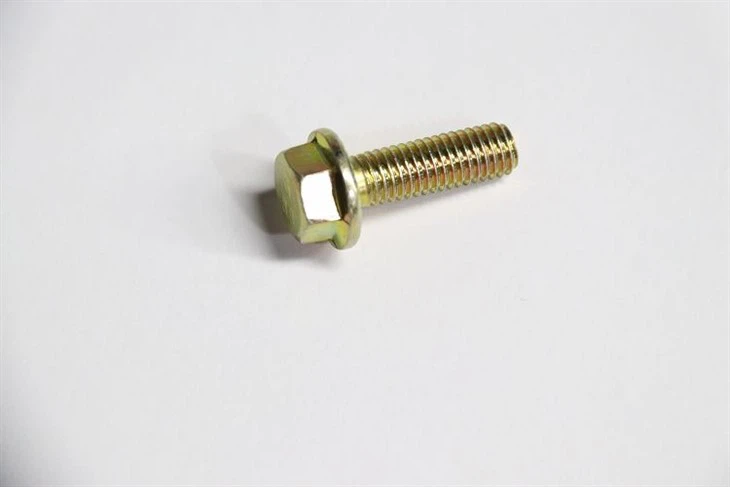
After the screw has been cold headed, the next step is to roll the threads. The screw is placed in a thread rolling machine, and the threads are cut into the screw by a set of dies. The dies cut the threads into the screw by pressing and rotating them around the screw.
Heat treatment
In order to increase the strength and durability of the screw, it must undergo heat treatment. The screw is heated to a specific temperature and then cooled rapidly. This process is known as quenching. Once the screw has been quenched, it is then tempered to reduce the brittleness caused by the quenching process.
Plating
Once the screw has been heat treated and tempered, it is ready to be plated. Plating is the process of coating the screw with a layer of metal such as zinc, nickel, or chrome. This process protects the screw from corrosion and gives it a shiny finish.
Inspection
The final step in the process of making screws is inspection. Each screw is carefully inspected for defects such as cracks, chips, or broken threads. This ensures that the screws meet industry standards and are of high quality.

Components of Screws
Head
The head is the top part of the screw, which acts as a driving surface for the screwdriver or wrench. The shape of the head varies depending on the application and specific usage of the screw. Common head shapes include flat, round, pan, oval, and hex.
Shank
The shank is the main body of the screw, which is threaded along its entire length. The threads are formed by cutting grooves into the shank at a uniform angle and depth. The depth and angle of the threads determine the screw's holding power and performance.
Threads
The threads are the raised helical ridges that wrap around the shank. These ridges are what enable the screw to grip into the material it is threaded into. The number of threads on a screw can vary, and the thicker the screw, the larger the number of threads.
Point
The point is the sharpened end of the screw that is inserted first into the material. The shape and style of the screw point can vary depending on the application. It can be pointed, flat, blunt, or drill-tipped.
Grooves
Screw grooves are narrow channels cut into the shank surface between the threads. They help to reduce the friction created as the screw is driven into the surface, making it easier to insert the screw.
Cut
The cut is the slot in the screw's head that allows the screwdriver or wrench to turn the screw. The cut can be a single line or a cross, depending on the screwdriver type.

Keep Screws Clean
Dirt, debris, and other particles can compromise the integrity of screws. To maintain them, keep them clean and avoid exposing them to excessive moisture or chemicals. If screws are exposed to moisture, dry them thoroughly before storage or use.
Store Screws Properly
Screws should be kept in a cool, dry place, away from direct sunlight. Store screws in their original packaging or separate containers to prevent damage from rubbing against other objects. For large quantities of screws, consider using a storage bin or tool chest with compartments.
Lubricate Screws
Applying a thin layer of lubricant, can help protect screws from rust and corrosion. Be careful not to over-lubricate, as too much lubricant can attract dust and dirt, which can cause screws to fail.
Use the proper tools
Using the correct screwdriver or tool to install and remove screws is essential to prevent damage to the screw head or threads. Avoid using damaged tools or incorrect-sized drivers, which can strip the screw heads and make them difficult to remove.
Inspect screws regularly
Regularly inspect screws for signs of wear, such as stripped threads, bent shafts, or cracks. Replace any damaged screws immediately to prevent further damage or failure of the product.
Wear Protective Equipment
Always wear protective gear such as gloves, safety glasses, and a mask when handling screws. This will protect you from getting injured by sharp edges of screws, flying debris, and harmful dust.
Select The Right Screw For The Job
Different screws have different applications and properties, so make sure you choose the right one for the task you want to perform. Using the wrong screw can not only compromise the integrity of the structure but can also cause injury.
Make Sure The Screw Is The Correct Size
The screw should not be too long or too short, as this can damage the material or cause it to come loose. Always refer to the manufacturer's specifications for the appropriate screw size to use.
Use The Correct Tool To Drive The Screw
Make sure you use the right tool, such as a screwdriver, impact wrench, or power drill, to drive the screw. This will help you to avoid damaging the screw or the surrounding material.
Secure The Material Before Using The Screw
Always ensure that the material you are attaching the screw to is stable and secure. Avoid holding the material in your hand while drilling as this may cause injury.
Observe The Weight-bearing Capacity
Screws are designed to hold up a certain amount of weight, so overloading them can cause them to fail. Always check the manufacturer's specifications for the maximum weight the screw can hold before using them.
Never Force A Screw
If a screw doesn't fit or turn easily, don't force it. Forcing a screw can cause it to strip or break, leading to injuries or damage to property.
Keep Screws Away From Children
Keep screws away from children as they can be dangerous if swallowed or inserted into the body.
Determine The Application
Understanding where the screw will be used will help you choose the correct diameter, length, and material. For instance, a screw used for framing should be very different from the one used for attaching a light fixture.
Choose The Right Material
The most common screw materials are steel, brass, and stainless steel. Steel screws are strong and durable but can rust over time. Brass screws are rust-resistant but not as strong as steel. Stainless steel screws are rust-resistant and strong, making them perfect for outdoor use or projects that will be exposed to moisture.
Pay attention to the thread
Threads define the grip and holding power of the screw. Coarse-threaded screws are ideal for softer materials like wood, while fine-threaded ones work best for harder materials like metal. Self-tapping screws, equipped with a sharp tip, are great for creating their own thread in thin metal or plastic.
Consider the head shape
There are many types of heads available, including flat, pan, oval, and round. The shape of the head determines the tool required for installation, as well as the finished appearance. For example, a flathead screw sits flush with the material, while a pan head protrudes slightly.
Look for specialty screws
Manufacturers create screws designed for specific applications, such as deck screws, drywall screws, or cabinet screws. These screws have unique features that make them easier to install and ensure they remain in place over time.
How to Install Screws
Select The Right Screw
The type of screw you need will depend on the material you're installing it in and the purpose of the screw. You should choose a screw with the right head type (such as a flat, phillips, or pan head), the right length, and the right thread pitch.
Prepare The Material
Before installing the screw, make sure the material is clean, dry, and free from debris. If the material is wood, you may need to pre-drill a small hole to prevent the wood from splitting when the screw is inserted.
Install The Screw
Insert the screw into the material using a screwdriver or other appropriate tool. Apply a small amount of pressure as you drive the screw into the material to ensure it's securely installed. If the material is metal, you may need to use a hammer or other tool to tap the screw into place.
Tighten The Screw
Once the screw is installed, use a wrench or other appropriate tool to tighten it securely. Make sure the screw is tightened evenly and that it doesn't bind or wobble as you tighten it. Tightening the screw too much can damage the material or the screw itself, so take care to avoid over-tightening.
Working Principle Screws
The working principle of a screw is based on the principle of friction. When a screw is tightened or loosened, the threads on the screw create motion against the surface of the material. This motion generates friction, which holds the material in place and prevents it from moving. The tighter the screw is tightened, the more friction is created, which increases the holding force of the screw. Therefore, the working principle of a screw is based on the creation of friction through the engagement of the threads on the screw and the surface of the material.
Certifications


FAQ
Q: What are screws and what are they used for?
Q: How do you choose the right size screw for your project?
Q: What materials are screws typically made from?
Q: What is the difference between a screw and a bolt?
Q: How do you properly install a screw?
Q: How do you remove a stripped screw?
Q: Can screws be reused?
Q: What is a self-tapping screw?
Q: What is a wood screw?
Q: What is a machine screw?
Q: What is a lag screw and how is it used?
Q: What is a set screw and how is it used?
Q: How do you determine the head type of a screw?
Q: What is a Phillips head screwdriver used for?
Q: What is a flat head screwdriver used for?
Q: How do you prevent a screw from getting loose over time?
Q: Can screws be used in outdoor applications?
Q: What is a torque spec for screws?
Q: Can screws be used in combination with adhesives?
Q: Can screws be painted or coated for better durability?
We're professional screws manufacturers and suppliers in China, specialized in providing high quality customized service. Please rest assured to buy discount screws from our factory. Good service and low price are available.
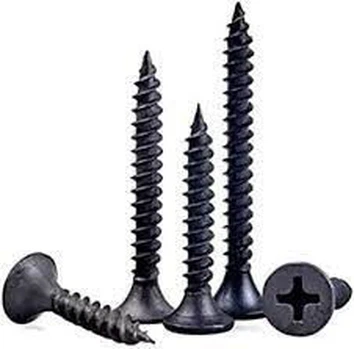
Drywall Screws Black