

Galvanized eye bolts are a staple in many industries, valued for their strength and durability. As a leading supplier of Eye Bolt Galvanized products, I often encounter questions from customers about their performance under various environmental conditions. One common query is whether galvanized eye bolts are resistant to UV rays. In this blog post, I'll delve into the science behind galvanization, examine its interaction with UV rays, and provide practical insights for those considering using these bolts in outdoor settings.
Understanding Galvanization
Galvanization is a process of coating steel or iron with a layer of zinc to protect it from corrosion. There are two main methods of galvanization: hot-dip galvanizing and electro-galvanizing. Hot-dip galvanizing involves immersing the metal in a bath of molten zinc, creating a thick, durable coating that adheres strongly to the surface. Electro-galvanizing, on the other hand, uses an electric current to deposit a thinner layer of zinc onto the metal.
The zinc coating on galvanized eye bolts serves as a sacrificial anode. This means that when the bolt is exposed to a corrosive environment, the zinc will corrode first, protecting the underlying steel or iron from rust and degradation. This sacrificial protection is highly effective in preventing corrosion caused by moisture, oxygen, and various chemicals.
The Impact of UV Rays on Galvanized Eye Bolts
UV rays, which are a part of the electromagnetic spectrum emitted by the sun, can have a significant impact on various materials. When it comes to galvanized eye bolts, the primary concern is the potential for UV rays to degrade the zinc coating over time.
Oxidation and Chalking
UV rays can cause the zinc coating on galvanized eye bolts to oxidize. Oxidation occurs when the zinc reacts with oxygen in the air, forming zinc oxide. This process is accelerated by the presence of moisture and can lead to the formation of a white, powdery substance on the surface of the bolt, known as chalking. While chalking is a natural part of the zinc's corrosion process, excessive chalking can indicate that the zinc coating is being depleted at a faster rate than normal.
Coating Degradation
Over time, the continuous exposure to UV rays can cause the zinc coating to become brittle and crack. This can expose the underlying steel or iron to the elements, increasing the risk of corrosion. The rate of coating degradation depends on several factors, including the intensity and duration of UV exposure, the thickness of the zinc coating, and the environmental conditions.
Factors Affecting UV Resistance
Several factors can influence the UV resistance of galvanized eye bolts:
Coating Thickness
The thickness of the zinc coating plays a crucial role in determining the bolt's resistance to UV rays. A thicker zinc coating provides more protection and is more likely to withstand the effects of UV exposure for a longer period. Hot-dip galvanized eye bolts typically have a thicker coating compared to electro-galvanized ones, making them more resistant to UV degradation.
Environmental Conditions
The environment in which the galvanized eye bolts are used can also affect their UV resistance. For example, bolts exposed to high levels of humidity, saltwater, or industrial pollutants are more likely to experience accelerated corrosion, even with a UV-resistant zinc coating. Additionally, the presence of other environmental factors, such as temperature fluctuations and mechanical stress, can further compromise the integrity of the zinc coating.
Quality of Galvanization
The quality of the galvanization process itself can impact the bolt's UV resistance. A well-executed galvanization process ensures a uniform and adherent zinc coating, which is more likely to resist the effects of UV rays. On the other hand, a poorly galvanized bolt may have thin or uneven coatings, making it more susceptible to corrosion.
Mitigating the Effects of UV Rays
While galvanized eye bolts are not completely immune to the effects of UV rays, there are several steps that can be taken to mitigate these effects and extend the lifespan of the bolts:
Protective Coatings
Applying a protective coating over the galvanized surface can provide an additional layer of protection against UV rays. There are various types of protective coatings available, including paint, powder coatings, and clear sealants. These coatings can help to block UV rays and prevent oxidation and chalking.
Regular Inspection and Maintenance
Regular inspection of galvanized eye bolts is essential to detect any signs of corrosion or coating degradation early. If chalking or cracking is observed, it may be necessary to clean the bolts and apply a new protective coating. Additionally, ensuring that the bolts are properly installed and tightened can help to prevent mechanical stress, which can accelerate the degradation of the zinc coating.
Shading and Shelter
Whenever possible, galvanized eye bolts should be installed in shaded or sheltered areas to reduce their exposure to direct sunlight. This can significantly extend the lifespan of the bolts and reduce the risk of UV-induced corrosion.
Our Galvanized Eye Bolt Products
As a supplier of Eye Bolt Galvanized products, we offer a wide range of high-quality bolts to meet the diverse needs of our customers. Our galvanized eye bolts are manufactured using the latest hot-dip galvanizing technology, ensuring a thick and uniform zinc coating that provides excellent corrosion resistance.
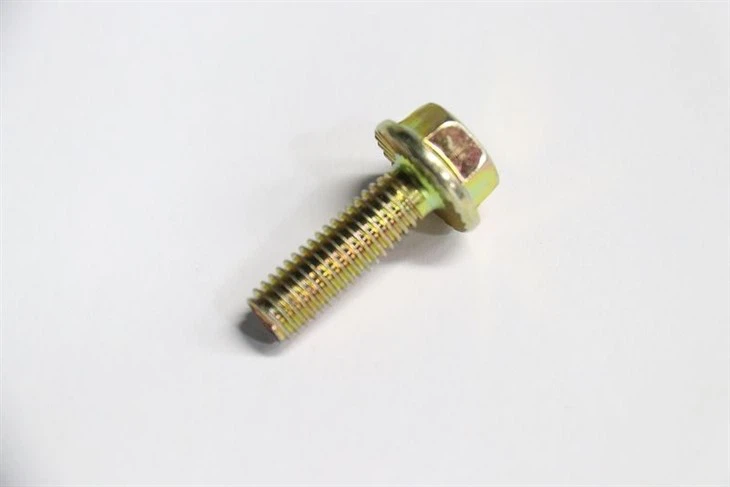

In addition to our standard galvanized eye bolts, we also offer specialized products for specific applications. For example, our High Strength Din 6921 Cl 8.8 bolts are designed for heavy-duty applications where high strength and reliability are required. We also carry Hex Bolt Din 931 and Hex Bolt Plain in various sizes and specifications to suit different projects.
Conclusion
Galvanized eye bolts offer excellent corrosion resistance due to the sacrificial protection provided by the zinc coating. While UV rays can have a negative impact on the zinc coating over time, proper selection, installation, and maintenance can help to mitigate these effects and ensure the long-term performance of the bolts.
If you're in need of high-quality galvanized eye bolts or have any questions about their UV resistance, please don't hesitate to contact us. Our team of experts is always ready to assist you in finding the right products for your specific needs. We look forward to the opportunity to work with you and provide you with the best galvanized eye bolt solutions in the market.
References
- "Galvanizing: A Guide to Hot-Dip Galvanizing" by the American Galvanizers Association.
- "The Effects of UV Radiation on Materials" by the National Institute of Standards and Technology.
- "Corrosion Resistance of Galvanized Steel" by the International Zinc Association.