

As a supplier of Wing Nut Din 315, I often get asked about the special requirements for storing these nuts. In this blog post, I'll share some important insights on how to store Wing Nut Din 315 properly to ensure their quality and longevity.
Understanding Wing Nut Din 315
Wing Nut Din 315 is a type of fastener with two large wings that allow for easy hand - tightening and loosening. They are widely used in various industries, such as machinery, automotive, and construction, where quick and frequent adjustments are required. These nuts are typically made of materials like steel, stainless steel, or brass, each with its own characteristics and storage needs.
General Storage Conditions
Temperature
The ideal temperature for storing Wing Nut Din 315 is between 10°C and 30°C (50°F and 86°F). Extreme temperatures can have a negative impact on the nuts. High temperatures can cause the material to expand, which may lead to changes in the nut's dimensions and reduce its fit and performance. For example, in a hot warehouse where the temperature exceeds 40°C (104°F), steel wing nuts may start to lose their hardness and become more prone to deformation.
On the other hand, low temperatures can make the material brittle. If the temperature drops below 0°C (32°F), especially for some types of steel, the nuts may crack when subjected to sudden impacts or stress during handling.
Humidity
Humidity is another crucial factor. The relative humidity in the storage area should be kept between 30% and 60%. High humidity can lead to corrosion, especially for steel wing nuts. When the humidity is above 60%, water vapor in the air can condense on the surface of the nuts, creating a perfect environment for rust to form. Stainless steel nuts are more resistant to corrosion, but high humidity can still cause surface discoloration over time.
To control humidity, dehumidifiers can be used in the storage area. Additionally, proper ventilation is essential to prevent the build - up of moisture.
Storage Containers
Sealed Containers
Using sealed containers is highly recommended for storing Wing Nut Din 315. Sealed plastic bags or plastic containers with tight - fitting lids can effectively protect the nuts from dust, moisture, and other contaminants. These containers can also prevent the nuts from getting mixed up with other types of fasteners.
For example, if you store wing nuts in an open box, they may accumulate dust, which can interfere with their proper functioning when used. And if they are mixed with other nuts, it can be time - consuming to sort them out.
Labeling
Each container should be clearly labeled with the type of nut (Wing Nut Din 315), the quantity inside, and the date of storage. This makes it easier to manage inventory and ensures that the oldest stock is used first, following the first - in - first - out (FIFO) principle.
Protection from Chemicals and Contaminants
Avoid Chemical Exposure
Wing Nut Din 315 should be stored away from chemicals such as acids, alkalis, and solvents. These chemicals can react with the material of the nuts, causing corrosion or damage. For instance, if a container of acidic cleaning solution spills near the wing nuts, it can quickly eat away at the surface of the nuts, rendering them useless.
Clean Storage Area
The storage area should be kept clean. Regularly sweep and mop the floor to remove dirt, debris, and any potential contaminants. This helps to maintain a clean environment for the nuts and reduces the risk of damage.
Stacking and Handling
Proper Stacking
When stacking containers of Wing Nut Din 315, it's important to do it properly. Do not stack the containers too high, as this can cause the bottom containers to be crushed, which may damage the nuts inside. A good rule of thumb is to stack the containers in a way that the weight is evenly distributed and the maximum height is within the safe limit.
Gentle Handling
During handling, be gentle with the nuts. Rough handling can cause scratches, dents, or other physical damage. For example, dropping a container of wing nuts can cause some of the nuts to break or deform.

Comparison with Other Nuts
It's interesting to compare the storage requirements of Wing Nut Din 315 with other types of nuts. For example, Hex Coupling Nut Din 6334 is often used for joining two threaded rods. Similar to wing nuts, they need to be stored in a clean, dry environment. However, due to their more complex shape and the need for precise threading, they may require more careful handling to avoid damage to the threads.
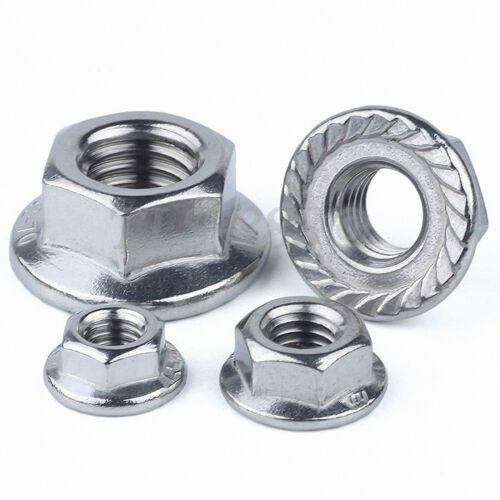
Flange Nut Din 6923 has a wider flange that provides a larger bearing surface. When storing these nuts, extra care should be taken to prevent the flange from getting bent or damaged, as this can affect their performance.
Cap Nut Din 1587 is designed to protect the end of a threaded rod. They are more likely to be affected by dust and debris getting inside the cap, so sealed storage is even more important for them.
Conclusion
Proper storage of Wing Nut Din 315 is essential to maintain their quality and performance. By controlling temperature, humidity, using appropriate storage containers, protecting from chemicals and contaminants, and handling them gently, you can ensure that the nuts are in good condition when they are needed.
If you are in the market for high - quality Wing Nut Din 315 or have any questions about their storage or usage, feel free to contact us for a detailed discussion. We are always ready to assist you in making the right purchasing decisions.
References
- Machinery's Handbook, 31st Edition
- Fastener Standards and Best Practices Guide