

In the ever - evolving landscape of renewable energy, solar power has emerged as a prominent and sustainable solution. As a dedicated supplier of Flange Nut Din 6923, I am often asked whether these nuts can be used in solar power equipment. In this blog, I will delve into the characteristics of Flange Nut Din 6923 and analyze their suitability for solar power applications.
Understanding Flange Nut Din 6923
Flange Nut Din 6923 is a type of nut that features a wide flange at one end. This flange acts as an integrated washer, providing a larger bearing surface compared to standard nuts. The larger bearing surface helps distribute the load more evenly, reducing the risk of the nut loosening due to vibration or uneven pressure. The DIN 6923 standard specifies the dimensions, tolerances, and material requirements for these nuts, ensuring a high level of quality and interchangeability.
The materials commonly used for Flange Nut Din 6923 include carbon steel, stainless steel, and brass. Carbon steel nuts are strong and cost - effective, making them suitable for many general applications. Stainless steel nuts, on the other hand, offer excellent corrosion resistance, which is crucial in environments where the nuts may be exposed to moisture, chemicals, or saltwater. Brass nuts are known for their good electrical conductivity and are often used in applications where electrical properties are important.
Requirements of Solar Power Equipment
Solar power equipment operates in a variety of environments, from deserts to coastal areas. The components of solar power systems, such as solar panels, mounting structures, and inverters, need to withstand harsh weather conditions, including high winds, heavy rain, and extreme temperatures. In addition, these components must maintain their structural integrity over a long period, often with a lifespan of 25 years or more.

The nuts and bolts used in solar power equipment play a vital role in ensuring the stability and safety of the entire system. They need to be able to resist corrosion, especially in outdoor and humid environments. Moreover, they should be able to maintain their tightness under vibration and thermal expansion and contraction.
Suitability of Flange Nut Din 6923 for Solar Power Equipment
Corrosion Resistance
As mentioned earlier, stainless steel Flange Nut Din 6923 offers excellent corrosion resistance. In solar power installations, especially those near the coast or in areas with high humidity, corrosion can be a major problem. Stainless steel nuts can prevent rust and degradation, ensuring the long - term stability of the solar power system. For example, in a coastal solar farm, the nuts used to secure the solar panel mounting structures are constantly exposed to saltwater mist. Using stainless steel Flange Nut Din 6923 can significantly reduce the risk of corrosion - related failures.
Load Distribution
The wide flange of Flange Nut Din 6923 provides a larger bearing surface, which is beneficial for solar power equipment. Solar panels and their mounting structures are subject to various forces, such as wind loads and the weight of the panels themselves. The larger bearing surface of the flange nut helps distribute these forces more evenly, reducing the stress on the mating surface. This can prevent damage to the solar panel frames and mounting brackets, ensuring the proper alignment and operation of the solar panels.
Vibration Resistance
Solar power equipment may be subject to vibration from various sources, such as wind and nearby machinery. Vibration can cause nuts to loosen over time, which can compromise the safety and performance of the system. The design of Flange Nut Din 6923, with its integrated washer, provides better resistance to vibration compared to standard nuts. The friction between the flange and the mating surface helps keep the nut in place, reducing the likelihood of loosening.
Comparison with Other Nuts
While Flange Nut Din 6923 has many advantages for solar power equipment, it is also important to compare it with other types of nuts. For instance, the 2h Nut is another type of nut that is commonly used in various applications. However, 2h nuts may not have the same level of load - distribution capabilities as Flange Nut Din 6923 due to their lack of a wide flange.
The Wing Nut Din 315 is designed for easy hand - tightening and loosening. While it can be convenient in some situations, it may not provide the same level of security and vibration resistance as Flange Nut Din 6923. Wing nuts are more suitable for applications where quick adjustments are required, rather than long - term, high - stability installations like solar power systems.
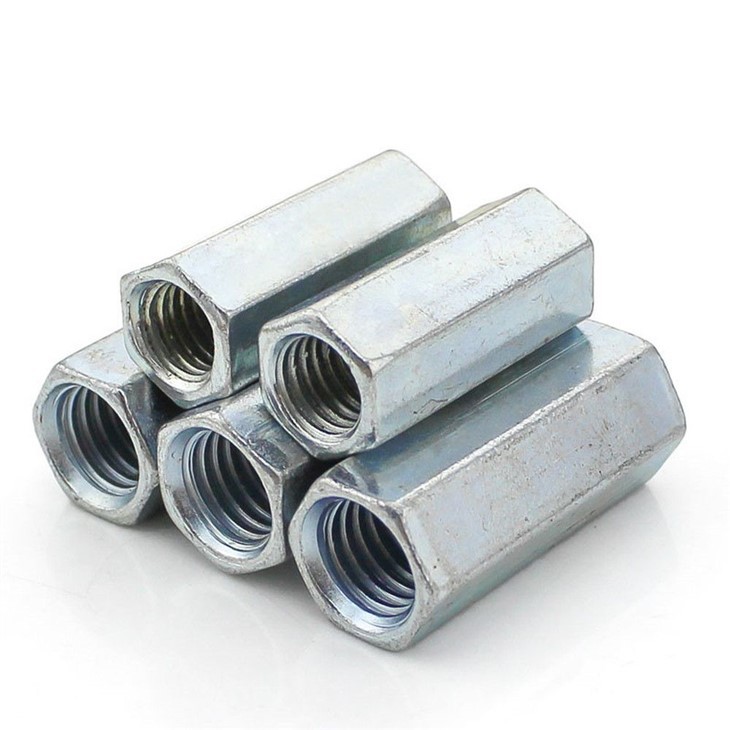
The Hex Coupling Nut Din 6334 is used to connect two threaded rods or bolts. It has a different function compared to Flange Nut Din 6923. Although it can be used in some parts of the solar power system, such as connecting structural components, it does not offer the same load - distribution and anti - vibration features as the flange nut.
Considerations for Using Flange Nut Din 6923 in Solar Power Equipment
When using Flange Nut Din 6923 in solar power equipment, there are several considerations to keep in mind. First, the correct torque should be applied during installation. Over - tightening the nuts can damage the components, while under - tightening can lead to loosening over time. It is recommended to follow the manufacturer's torque specifications.
Second, the compatibility of the nut material with other components in the solar power system should be considered. For example, if the mounting structure is made of aluminum, using a stainless steel nut may cause galvanic corrosion. In such cases, appropriate insulation or coating can be used to prevent this.
Conclusion
In conclusion, Flange Nut Din 6923 can be a suitable choice for solar power equipment. Its corrosion resistance, load - distribution capabilities, and vibration resistance make it well - suited for the demanding requirements of solar power installations. However, proper installation and consideration of material compatibility are essential to ensure the long - term performance and safety of the solar power system.
If you are in the process of designing or installing a solar power system and are interested in using Flange Nut Din 6923, I encourage you to contact me for more information and to discuss your specific requirements. I am committed to providing high - quality nuts that meet the needs of your solar power project.
References
- DIN 6923 Standard Documentation
- Solar Power Equipment Installation and Maintenance Guidelines
- Studies on Corrosion and Vibration in Renewable Energy Systems