

Hex bolts are common fasteners known for their hexagonal head design, which allows for easy installation and removal using a wrench or socket. Plain hex bolts, in particular, are characterized by their smooth and unadorned exterior, typically consisting of a simple, non-galvanized finish. These bolts are used in a wide range of applications due to their reliability and strength. As a supplier of high-quality hex bolts plain, I often get inquiries about their suitability for specific industries, one of the most common being the railway sector. In this blog, I'll explore whether hex bolt plain can indeed be used in railway applications.
Understanding Railway Requirements
Before determining the suitability of hex bolt plain for railway applications, it's important to understand the unique requirements of the railway industry. Railways are subject to extreme conditions, including significant vibrations, dynamic loads, temperature variations, and exposure to the elements. Fasteners in railway systems must be able to withstand these harsh conditions to ensure the safety and reliability of the tracks, rolling stock, and infrastructure.
Vibration Resistance: Rails are constantly subjected to vibrations caused by the movement of trains. These vibrations can cause fasteners to loosen over time, leading to potential safety hazards. Therefore, railway fasteners need to have excellent vibration resistance to maintain their tightness.
Load-Bearing Capacity: Trains are heavy, and the tracks must be able to support the weight of the trains and their cargo. Fasteners used in railway applications need to have high load-bearing capacity to prevent structural failures.
Corrosion Resistance: Railways are often exposed to various environmental conditions, including moisture, salt, and chemicals. Corrosion can weaken fasteners, reducing their strength and potentially leading to failures. As such, corrosion resistance is a critical factor in railway fastener selection.
Durability: Railway infrastructure is expected to have a long service life. Fasteners need to be durable enough to withstand years of use without significant degradation.
Advantages of Hex Bolt Plain in Railway Applications
Hex bolt plain does offer several advantages that make them potentially suitable for certain railway applications.
High Strength: Many hex bolts are manufactured to high strength standards, such as the High Strength Hex Bolt Din 931 Cl 8.8. These high-strength bolts can provide the necessary load-bearing capacity to secure railway components. For example, they can be used to fasten track panels, railway bridges, and other structural elements where high strength is crucial.
Easy Installation and Removal: The hexagonal head design of hex bolts allows for easy installation and removal using common tools. This simplicity is beneficial in railway maintenance and repair operations, as it reduces the time and effort required to replace or adjust fasteners.

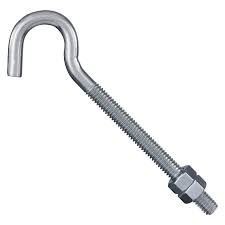
Versatility: Hex bolts plain come in a variety of sizes and thread pitches, making them adaptable to different railway applications. Whether it's a small-scale component or a large structural element, there is likely a hex bolt that can meet the specific requirements.
Limitations and Challenges
However, there are also limitations and challenges associated with using hex bolt plain in railway applications.
Lack of Corrosion Resistance: Plain hex bolts typically do not have a protective coating, which makes them vulnerable to corrosion. In railway environments where exposure to moisture and chemicals is common, corrosion can quickly compromise the integrity of the bolts. For long - term use in outdoor railway systems, this lack of corrosion resistance can be a significant drawback.
Vibration Loosening: Despite their strength, hex bolts plain may be prone to vibration loosening over time. The constant vibrations from passing trains can cause the bolts to gradually unwind, which can lead to unsafe conditions if not addressed promptly.
Solutions to Overcome Limitations
To address the limitations of hex bolt plain in railway applications, several solutions can be employed.
Coating Applications: Applying a protective coating to hex bolts can significantly enhance their corrosion resistance. Zinc plating is a common option that provides a barrier against moisture and oxidation. For example, Hook Bolt Zinc Plated demonstrates how a simple coating can improve the performance of fasteners in harsh environments. Other coatings, such as epoxy coatings or hot - dip galvanizing, can offer even higher levels of corrosion protection.
Locking Mechanisms: To prevent vibration loosening, locking mechanisms can be used in conjunction with hex bolts. Lock nuts, safety washers, or thread - locking adhesives can help keep the bolts securely tightened, even under high - vibration conditions.
Specific Railway Applications for Hex Bolt Plain
Despite the challenges, there are still specific railway applications where hex bolt plain can be used effectively.
Indoor Railway Facilities: In indoor railway workshops, maintenance facilities, or control rooms, the environmental conditions are more controlled. Here, the risk of corrosion is significantly reduced, and hex bolt plain can be used for general equipment mounting, machinery assembly, and other non - critical applications.
Temporary or Low - Stress Applications: For temporary railway installations, such as construction sites or experimental tracks, hex bolt plain can be a cost - effective option. They can also be used in low - stress components where the load requirements are not extremely high.
Customizable Applications: In some cases, custom - designed railway components may require the use of hex bolt plain. Their versatility allows for easy adaptation to specific design requirements, and with proper protective measures, they can perform well in these unique applications.
Making the Right Choice
When considering whether to use hex bolt plain in railway applications, it's essential to conduct a comprehensive risk assessment. Evaluate the specific environmental conditions, load requirements, and long - term maintenance needs of the application. Consult with industry experts and conduct tests if necessary to ensure the chosen fasteners meet the safety and performance standards of the railway industry.
Conclusion
In conclusion, while hex bolt plain do have limitations, they can be used in certain railway applications with proper precautions. Their high strength, ease of installation, and versatility make them a viable option, especially when combined with anti - corrosion coatings and locking mechanisms. As a supplier of hex bolts plain, I am committed to providing high - quality products that meet the diverse needs of the railway industry. If you are involved in railway projects and are considering the use of hex bolts, I encourage you to reach out for more information and to discuss your specific requirements. I'm here to assist you in making the right choice for your railway applications and to ensure the safety and reliability of your projects. Contact me for procurement and let's start a productive discussion about how our hex bolts can fit into your railway needs.
References
- "Fasteners for Railway Applications", Railway Engineering Handbook
- "Corrosion Prevention in Railway Infrastructure", Journal of Railway Technology