

Galvanized eye bolts are a common yet crucial component in various industries, from construction to marine applications. One frequently asked question I encounter as a supplier of Eye Bolt Galvanized is whether these bolts have a smooth surface. In this blog post, I'll delve into the nature of the surface of galvanized eye bolts, exploring the process of galvanization, the factors that affect surface smoothness, and the implications of the surface condition for different applications.
Understanding Galvanization
Galvanization is a process that involves coating steel or iron with a layer of zinc to protect it from corrosion. There are two main methods of galvanizing: hot - dip galvanizing and electro - galvanizing.
Hot - dip galvanizing is the most common method for eye bolts. In this process, the eye bolts are submerged in a bath of molten zinc at a temperature of around 450°C (842°F). The zinc reacts with the iron in the bolt to form a series of zinc - iron alloy layers, followed by a layer of pure zinc on the outermost surface. This method provides excellent corrosion resistance and a relatively thick zinc coating, typically ranging from 40 to 100 micrometers.
Electro - galvanizing, on the other hand, is a process where an electric current is used to deposit a thin layer of zinc onto the surface of the eye bolt. The zinc layer in electro - galvanized bolts is usually much thinner, around 5 to 15 micrometers. This method is often used when a more aesthetically pleasing finish is required or when the parts are small and have complex shapes.
Surface Smoothness of Galvanized Eye Bolts
The surface of galvanized eye bolts is generally not as smooth as that of uncoated bolts. The hot - dip galvanizing process, in particular, can result in a somewhat rough surface. This is due to several factors:
- Zinc - iron alloy formation: During hot - dip galvanizing, the reaction between zinc and iron forms zinc - iron alloy layers. These alloy layers can have a granular or uneven structure, which contributes to the roughness of the surface. The thickness and morphology of these alloy layers depend on factors such as the composition of the base metal, the immersion time in the zinc bath, and the temperature of the bath.
- Zinc spangles: After hot - dip galvanizing, the zinc layer often forms spangles, which are visible crystalline patterns on the surface of the bolt. These spangles can range in size from a few millimeters to several centimeters and give the surface a textured appearance. The formation of spangles is influenced by factors such as the cooling rate of the zinc layer and the presence of impurities in the zinc bath.
In contrast, electro - galvanized eye bolts tend to have a smoother surface compared to hot - dip galvanized ones. The thin and uniform zinc layer deposited by electro - galvanizing results in a more consistent and less textured finish. However, even electro - galvanized bolts may not have a perfectly smooth surface, as there can still be minor irregularities or roughness due to the base metal surface and the electro - plating process itself.
Implications of Surface Smoothness
The surface smoothness of galvanized eye bolts can have several implications for different applications:

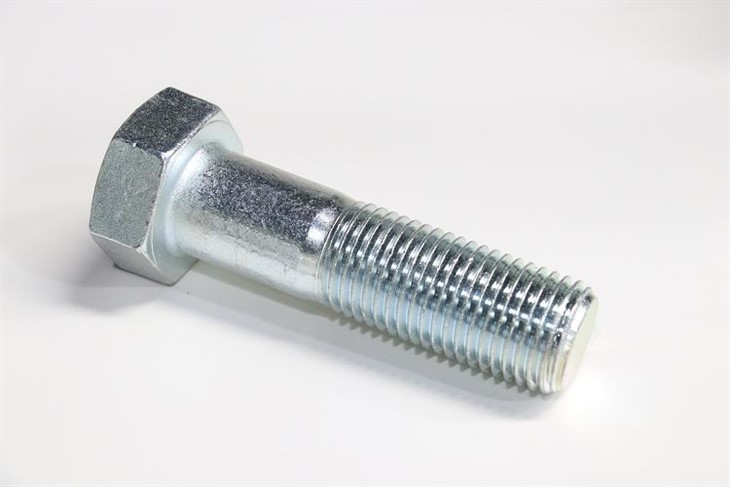
- Aesthetic requirements: In some applications, such as decorative or architectural uses, a smooth surface may be preferred for aesthetic reasons. For example, in interior design projects where the eye bolts are visible, electro - galvanized bolts with their smoother finish may be a better choice.
- Friction and wear: A rough surface can increase friction, which may be beneficial in some applications where grip is required. For instance, in rigging applications where the eye bolt is used to secure ropes or cables, the rough surface of a hot - dip galvanized bolt can provide better friction and prevent slippage. However, in applications where low friction is desired, such as in some machinery or automotive components, the rough surface of a galvanized bolt may cause excessive wear on mating parts.
- Coating integrity: A smooth surface can contribute to better coating integrity. A rough surface may have more crevices and pores, which can potentially trap moisture and contaminants, leading to premature corrosion. In applications where long - term corrosion resistance is critical, such as in marine environments, a smoother surface may be more desirable to ensure the longevity of the zinc coating.
Our Product Offerings
As a supplier of Eye Bolt Galvanized, we offer a wide range of products to meet different customer needs. Our hot - dip galvanized eye bolts provide excellent corrosion resistance and are suitable for heavy - duty applications such as construction, mining, and offshore industries. We also offer electro - galvanized eye bolts for applications where a smoother finish is required, such as in the furniture and electronics industries.
In addition to eye bolts, we also supply other types of bolts, including Bolt Grade 4.8, Hex Bolt Din 933, and Carbon Steel Hex Bolt Din 933. These bolts are available in various sizes and specifications to meet the diverse requirements of our customers.
Contact Us for Procurement
If you are interested in our galvanized eye bolts or other bolt products, we invite you to contact us for procurement. Our team of experts can provide you with detailed product information, technical support, and competitive pricing. Whether you need a small quantity for a DIY project or a large order for an industrial application, we are committed to providing you with high - quality products and excellent customer service.
References
- "Galvanizing Handbook" by the International Lead and Zinc Research Organization.
- "Corrosion Resistance of Galvanized Steel" by the American Galvanizers Association.
- "Surface Engineering for Corrosion and Wear Protection" by Peter De Hosson.