

Maintaining Hex Bolt Din 931 is crucial for ensuring their longevity, performance, and safety in various applications. As a supplier of Hex Bolt Din 931, I understand the importance of proper maintenance. In this blog, I will share some practical tips on how to maintain these bolts effectively.
Understanding Hex Bolt Din 931
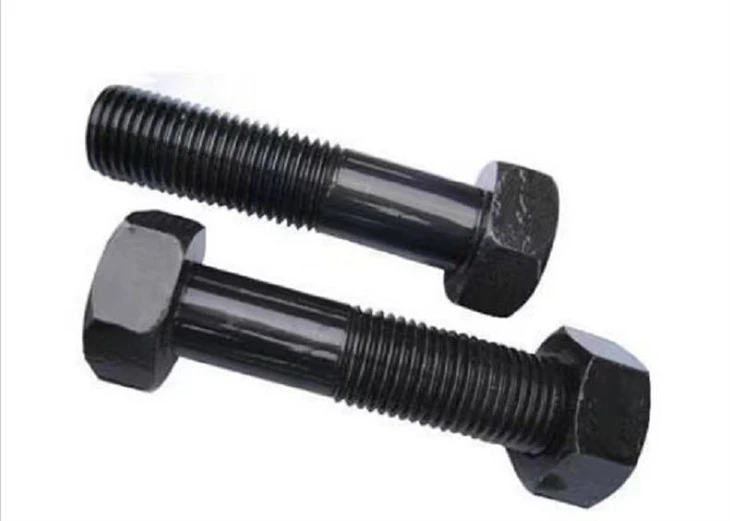
Before delving into maintenance, it's essential to understand what Hex Bolt Din 931 is. These bolts are standardized according to the DIN 931 specification, which defines their dimensions, thread pitch, and other important characteristics. They are widely used in mechanical engineering, construction, and other industries due to their strength and reliability. The hexagonal head design allows for easy tightening and loosening using a wrench or socket.
Inspection
Regular inspection is the first step in maintaining Hex Bolt Din 931. Inspect the bolts visually for any signs of damage, such as cracks, corrosion, or deformation. Check the threads for wear or damage, as this can affect the bolt's ability to hold securely. If you notice any issues, it's important to replace the bolt immediately to prevent potential failures.
Cleaning
Cleaning the bolts is an important part of maintenance. Dirt, debris, and other contaminants can accumulate on the bolts over time, which can lead to corrosion and other problems. Use a mild detergent and water to clean the bolts, and then dry them thoroughly to prevent rust. Avoid using abrasive cleaners or tools that could damage the surface of the bolts.
Lubrication
Lubrication is another crucial aspect of maintaining Hex Bolt Din 931. Applying a suitable lubricant to the threads can reduce friction during installation and removal, making it easier to tighten and loosen the bolts. It also helps to prevent corrosion and galling, which can occur when the threads rub against each other. Choose a lubricant that is compatible with the material of the bolt and the application. For example, if the bolts are used in a high-temperature environment, use a high-temperature lubricant.
Tightening and Torque
Proper tightening and torque are essential for the performance and safety of Hex Bolt Din 931. Over-tightening can cause the bolt to break or damage the threads, while under-tightening can result in the bolt coming loose. Use a torque wrench to ensure that the bolts are tightened to the recommended torque specification. The torque specification can usually be found in the product documentation or provided by the manufacturer.

Storage
Proper storage is important to prevent damage to Hex Bolt Din 931 when they are not in use. Store the bolts in a dry, clean environment to prevent corrosion. Keep them in a sealed container or bag to protect them from dust and moisture. If possible, store the bolts in a temperature-controlled environment to prevent expansion and contraction due to temperature changes.
Handling
When handling Hex Bolt Din 931, it's important to take care to avoid damage. Use appropriate tools, such as wrenches or sockets, to install and remove the bolts. Avoid using excessive force or impact, as this can cause the bolt to break or damage the threads. If the bolts need to be transported, make sure they are properly packaged to prevent damage during transit.
Corrosion Protection
Corrosion is one of the most common problems that can affect Hex Bolt Din 931. To protect the bolts from corrosion, you can apply a corrosion-resistant coating, such as zinc plating or galvanizing. These coatings provide a barrier between the bolt and the environment, preventing moisture and oxygen from reaching the metal surface. Another option is to use stainless steel bolts, which are inherently more resistant to corrosion than carbon steel bolts.
Regular Maintenance Schedule
Establishing a regular maintenance schedule is important for ensuring the long-term performance of Hex Bolt Din 931. Depending on the application and the environment, the maintenance schedule may vary. For example, in a harsh industrial environment, the bolts may need to be inspected and maintained more frequently than in a less demanding application. By following a regular maintenance schedule, you can identify and address any issues before they become serious problems.
Conclusion
Maintaining Hex Bolt Din 931 is essential for ensuring their performance, safety, and longevity. By following the tips outlined in this blog, you can keep your bolts in good condition and prevent potential failures. Remember to inspect the bolts regularly, clean them, lubricate the threads, tighten them to the correct torque, store them properly, handle them with care, and protect them from corrosion. If you have any questions or need further assistance with maintaining your Hex Bolt Din 931, feel free to contact us. We are here to help you make the most of your bolts and ensure the success of your projects.
If you are in the market for high-quality Carbon Steel Hex Bolt Din 931 or Flange Bolt Din 6921, we invite you to get in touch with us for procurement discussions. Our team of experts can provide you with detailed product information, competitive pricing, and excellent customer service. Let's work together to meet your bolt requirements and ensure the success of your projects.
References
- DIN 931 Standard Documentation
- Engineering Handbook on Fastener Maintenance
- Manufacturer's Guidelines for Hex Bolt Usage and Maintenance