

Hey there! As a bolts supplier, I've seen firsthand the diverse range of applications these little fasteners have. Bolts are like the unsung heroes of the engineering and construction world, holding things together in countless scenarios. Let's dive into the main applications of bolts.
Construction and Building
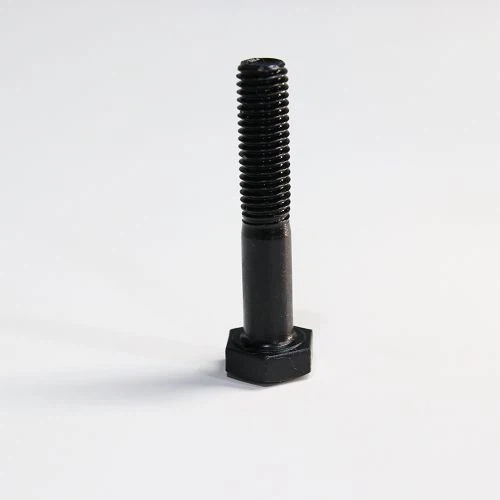
One of the most obvious applications of bolts is in the construction industry. Whether it's building a skyscraper, a bridge, or a simple house, bolts play a crucial role. In high - rise buildings, bolts are used to connect steel beams and columns. They provide the necessary strength and stability to withstand the weight of the structure and external forces like wind and earthquakes. For example, when constructing a large commercial building, we use High Strength Hex Bolt Din 931 Cl 8.8. These bolts are designed to handle heavy loads and ensure that the building remains safe and secure.
In bridge construction, bolts are used to join different parts of the bridge structure, such as the girders and the deck. They need to be strong enough to support the weight of traffic and the dynamic forces caused by moving vehicles. The Bolt Grade 8.8 is often a popular choice here because of its high tensile strength.
Even in residential construction, bolts are essential. They are used to attach wooden frames, secure doors and windows, and install various fixtures. For instance, when building a wooden deck, bolts are used to connect the joists to the posts, providing a sturdy and long - lasting structure.

Automotive Industry
The automotive industry is another major consumer of bolts. In cars, bolts are used in almost every part of the vehicle. The engine is held together by a large number of bolts. They keep the engine block, cylinder head, and other components in place. High - precision bolts are required in engines to ensure proper alignment and prevent leaks.
The suspension system of a car also relies on bolts. Bolts are used to attach the shock absorbers, control arms, and other suspension components to the chassis. This helps to provide a smooth and stable ride. In addition, bolts are used to secure the wheels to the car. A loose wheel bolt can be extremely dangerous, so the right type and torque of bolts are crucial for safety.
Machinery and Equipment
In industrial machinery and equipment, bolts are used to assemble different parts. Manufacturing plants use a wide variety of machinery, from large CNC machines to small conveyor belts, and all of them require bolts for assembly and maintenance. For example, in a factory that produces furniture, bolts are used to assemble the frames of chairs and tables.
In the food and beverage industry, machinery needs to be assembled with bolts that are made of materials that are safe for food contact. Stainless steel bolts are often used in this case to prevent corrosion and contamination.
Electrical and Electronics
Bolts also have applications in the electrical and electronics industry. In electrical panels, bolts are used to secure circuit breakers, switches, and other components. They ensure proper electrical connections and prevent loose connections that could lead to electrical failures or fires.
In electronic devices, although the bolts are usually smaller, they still play an important role. For example, in a computer case, bolts are used to hold the motherboard, hard drive, and other components in place.
Marine and Offshore
The marine and offshore industries have unique requirements for bolts. In ships, bolts are used to assemble the hull, attach the decks, and secure various equipment on board. The bolts need to be corrosion - resistant because they are constantly exposed to seawater. Stainless steel and other corrosion - resistant alloys are commonly used for marine bolts.
In offshore oil and gas platforms, bolts are used to connect the various structural components. These platforms are exposed to harsh environmental conditions, including strong winds, waves, and saltwater. The bolts need to be strong and durable to ensure the safety and integrity of the platform.
Furniture Manufacturing
Furniture manufacturers rely on bolts to assemble different pieces of furniture. From office desks to bedroom sets, bolts are used to join wooden or metal parts together. Hex Bolt Din 931 is a common choice in furniture manufacturing because it is easy to install and provides a secure connection.
Aerospace
In the aerospace industry, bolts are used in aircraft construction. They need to be extremely lightweight yet strong enough to withstand the high stresses and vibrations during flight. Titanium and other high - strength alloys are often used for aerospace bolts. Bolts are used to assemble the fuselage, wings, and other parts of the aircraft.
Renewable Energy
The renewable energy sector, such as wind turbines and solar panels, also uses bolts. In wind turbines, bolts are used to connect the blades to the hub, and to assemble the tower and other components. These bolts need to be able to withstand the strong forces generated by the wind.
In solar panel installations, bolts are used to mount the panels on the frames and secure the frames to the ground or rooftops. They need to be able to withstand environmental factors like wind, rain, and temperature changes.
As you can see, bolts have a wide range of applications in various industries. If you're in need of high - quality bolts for your project, whether it's a small DIY job or a large - scale industrial project, I'm here to help. We offer a wide variety of bolts, including different grades, sizes, and materials, to meet your specific requirements. If you're interested in discussing your bolt needs, feel free to reach out and start a conversation about procurement. I'm more than happy to provide you with the right solutions and competitive prices.
References
- Machinery's Handbook: A comprehensive reference book on engineering and manufacturing that provides detailed information on bolts and their applications.
- Automotive Engineering textbooks: These textbooks cover the design and use of bolts in automotive applications.
- Construction Industry Standards and Guidelines: They offer information on the use of bolts in building and bridge construction.