

What is the strength grade of bolts?
As a seasoned bolts supplier, I've witnessed firsthand the critical role that bolt strength grades play in various industries. Bolts are the unsung heroes of countless structures and machinery, holding everything together with precision and reliability. Understanding the strength grade of bolts is not just a technicality; it's a fundamental aspect of ensuring the safety and performance of any project.
The Basics of Bolt Strength Grades
Bolt strength grades are standardized ratings that indicate the mechanical properties and performance capabilities of bolts. These grades are determined by a combination of factors, including the material composition, heat treatment, and manufacturing processes. In general, the higher the strength grade, the greater the bolt's ability to withstand tension, shear, and other forces.
The most common system for classifying bolt strength grades is the International Organization for Standardization (ISO) system, which uses a numerical code to represent the minimum tensile strength and yield strength of the bolt. For example, a bolt with a strength grade of 8.8 indicates a minimum tensile strength of 800 MPa and a minimum yield strength of 640 MPa.
In addition to the ISO system, there are also other regional and industry-specific standards for bolt strength grades, such as the American Society of Mechanical Engineers (ASME) system and the British Standards Institution (BSI) system. While these standards may have slightly different numerical codes and testing methods, they all serve the same purpose of ensuring the quality and reliability of bolts.
Factors Affecting Bolt Strength
Several factors can affect the strength of bolts, including:
- Material Composition: The type of material used to manufacture the bolt, such as carbon steel, alloy steel, or stainless steel, can have a significant impact on its strength. Different materials have different mechanical properties, such as tensile strength, yield strength, and hardness, which can affect the bolt's performance in various applications.
- Heat Treatment: Heat treatment is a process used to improve the mechanical properties of bolts by altering their microstructure. Common heat treatment methods include quenching and tempering, which can increase the bolt's strength and hardness.
- Manufacturing Processes: The manufacturing processes used to produce the bolt, such as forging, machining, and threading, can also affect its strength. Proper manufacturing techniques ensure that the bolt has the correct dimensions, surface finish, and thread quality, which are essential for its performance.
- Environmental Conditions: The environmental conditions in which the bolt is used, such as temperature, humidity, and corrosion, can also affect its strength. For example, bolts used in high-temperature applications may require special materials or coatings to prevent oxidation and loss of strength.
Importance of Choosing the Right Bolt Strength Grade
Choosing the right bolt strength grade is crucial for ensuring the safety and reliability of any project. Using a bolt with a strength grade that is too low can result in bolt failure, which can lead to structural damage, equipment malfunction, and even personal injury. On the other hand, using a bolt with a strength grade that is too high can be unnecessary and costly.
When selecting a bolt strength grade, it's important to consider the following factors:
- Load Requirements: The amount of load that the bolt will be subjected to, including tension, shear, and compression, is one of the most important factors to consider when choosing a bolt strength grade. The bolt's strength grade should be selected based on the maximum load that it will experience in the application.
- Application Environment: The environmental conditions in which the bolt will be used, such as temperature, humidity, and corrosion, can also affect the choice of bolt strength grade. For example, bolts used in corrosive environments may require a higher strength grade or a special coating to prevent corrosion.
- Safety Factors: In addition to the load requirements and application environment, it's also important to consider safety factors when choosing a bolt strength grade. Safety factors are used to account for uncertainties in the load calculations, material properties, and manufacturing processes, and to ensure that the bolt has a sufficient margin of safety.
Examples of Bolt Strength Grades and Applications
Here are some examples of common bolt strength grades and their typical applications:
- Grade 2: Grade 2 bolts are the most common type of bolts and are made from low-carbon steel. They have a relatively low strength and are typically used in non-critical applications, such as furniture assembly, woodworking, and general-purpose fastening.
- Grade 5: Grade 5 bolts are made from medium-carbon steel and are heat-treated to increase their strength. They have a higher strength than Grade 2 bolts and are typically used in applications where higher loads and greater reliability are required, such as automotive and machinery applications.
- Grade 8: Grade 8 bolts are made from high-strength alloy steel and are heat-treated to achieve a very high strength. They have the highest strength of the commonly available bolt grades and are typically used in applications where extreme loads and high reliability are required, such as heavy machinery, construction, and aerospace applications.
- Grade 8.8: Grade 8.8 bolts are equivalent to Grade 5 bolts in the American system and are commonly used in European and international applications. They have a minimum tensile strength of 800 MPa and a minimum yield strength of 640 MPa and are typically used in applications where high strength and reliability are required, such as automotive, machinery, and construction applications.
- Grade 10.9: Grade 10.9 bolts are equivalent to Grade 8 bolts in the American system and are commonly used in European and international applications. They have a minimum tensile strength of 1000 MPa and a minimum yield strength of 900 MPa and are typically used in applications where very high strength and reliability are required, such as heavy machinery, construction, and aerospace applications.
Our Bolt Products and Strength Grades
As a leading bolts supplier, we offer a wide range of bolts in various strength grades and materials to meet the needs of different applications. Some of our popular bolt products include:
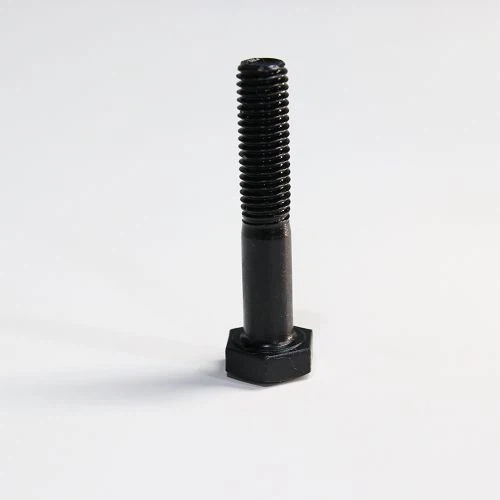
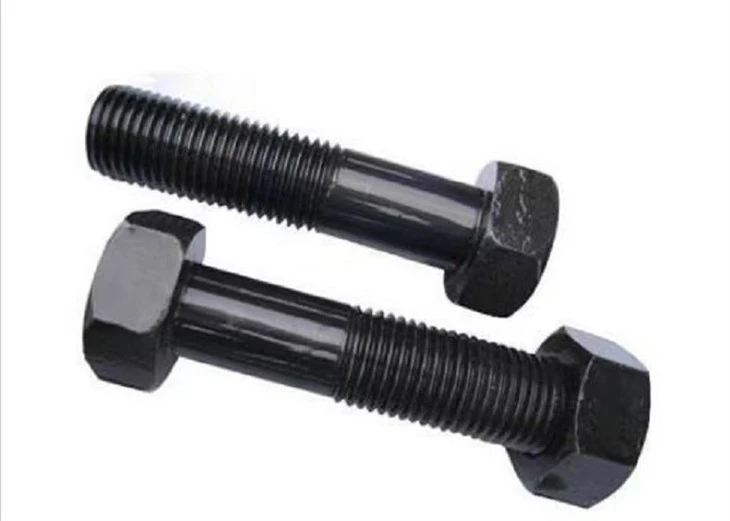
- High Strength Hex Bolt Din 931 Cl 8.8: These bolts are made from high-strength alloy steel and have a strength grade of 8.8. They are designed to meet the DIN 931 standard and are commonly used in automotive, machinery, and construction applications.
- Hook Bolt Zinc Plated: These bolts are made from carbon steel and are zinc-plated for corrosion resistance. They have a hook-shaped end and are commonly used in applications where a secure and adjustable connection is required, such as in hanging pipes, cables, and wires.
- Hex Bolt Din 931: These bolts are made from carbon steel and have a hexagonal head. They are designed to meet the DIN 931 standard and are commonly used in general-purpose fastening applications, such as in furniture assembly, woodworking, and machinery.
Contact Us for Bolt Procurement
If you're looking for high-quality bolts in the right strength grade for your project, look no further. As a trusted bolts supplier, we have the expertise and experience to help you choose the right bolts for your specific needs. Whether you need a small quantity of bolts for a DIY project or a large quantity of bolts for an industrial application, we can provide you with the products and services you need.
To learn more about our bolt products and to discuss your procurement requirements, please contact us today. Our team of experts is ready to assist you and to provide you with a competitive quote. Let's work together to ensure the success of your project!
References
- American Society of Mechanical Engineers (ASME). (2019). ASME B18.2.1 - Square and Hex Bolts and Screws (Inch Series).
- British Standards Institution (BSI). (2018). BS EN ISO 898-1:2013 - Mechanical properties of fasteners made of carbon steel and alloy steel - Part 1: Bolts, screws and studs with specified property classes - Coarse thread and fine pitch thread.
- International Organization for Standardization (ISO). (2011). ISO 898-1:2013 - Mechanical properties of fasteners made of carbon steel and alloy steel - Part 1: Bolts, screws and studs with specified property classes - Coarse thread and fine pitch thread.