

Hey there! As a supplier of hex bolts, especially those that are galvanized, I get asked a lot about whether these little guys are suitable for marine applications. It's a super important question, especially considering the harsh conditions in the marine environment. So, let's dive right in and discuss if galvanized hex bolts can stand up to the challenges of the sea.
First off, let's talk about what galvanized means. When we say a hex bolt is galvanized, it means it's been coated with a layer of zinc. The whole point of this zinc coating is to protect the underlying steel from corrosion. Zinc is a pretty amazing metal. It's more reactive than steel, which means when it's exposed to the elements, it corrodes first, acting as a sacrificial layer to keep the steel safe.
Now, the marine environment is no joke. It's full of saltwater, high humidity, and constant exposure to the elements. Saltwater is extremely corrosive because it contains ions that speed up the corrosion process. When you combine that with the high humidity, you've got a recipe for rust and degradation. So, the big question is, can galvanized hex bolts handle all this?
The short answer is, it depends. Galvanized hex bolts can work in some marine applications, but they have their limitations. The thickness of the zinc coating plays a huge role. A thicker coating will generally last longer in a corrosive environment. For light marine use, like on small boats or in areas where there's only occasional exposure to saltwater, galvanized hex bolts can be a cost - effective solution. They'll give you some protection against corrosion and hold up for a reasonable amount of time.
But for more heavy - duty marine applications, such as on large ships, offshore platforms, or in areas with constant saltwater spray, galvanized hex bolts might not be the best choice. Over time, the zinc coating will wear away, especially in areas with a lot of abrasion or where the bolts are constantly exposed to the harshest parts of the marine environment. Once the zinc coating is gone, the underlying steel is vulnerable to corrosion.
If you're in a situation where you're using galvanized hex bolts in a marine setting, there are some things you can do to extend their lifespan. Regular maintenance is key. You can clean the bolts periodically to remove salt deposits and other debris. Applying a protective coating, like a paint or a specialized marine lubricant, can also add an extra layer of protection.

Now, let's take a look at some of the alternatives to galvanized hex bolts in marine applications. Stainless steel bolts are a popular choice. They have excellent corrosion resistance, especially in saltwater environments. However, they can be more expensive than galvanized bolts. Another option is titanium bolts. Titanium is extremely resistant to corrosion and has a high strength - to - weight ratio, but it's also quite costly.
As a supplier of galvanized hex bolts, I understand that cost is a major factor for many customers. Galvanized bolts are generally more affordable than stainless steel or titanium ones, which makes them an attractive option for those on a budget. But you've got to weigh the cost against the long - term durability. If you're doing a small DIY project on your boat and it won't be in the water all the time, galvanized hex bolts could be just fine. But for a large - scale marine project, you might want to invest in more corrosion - resistant options.
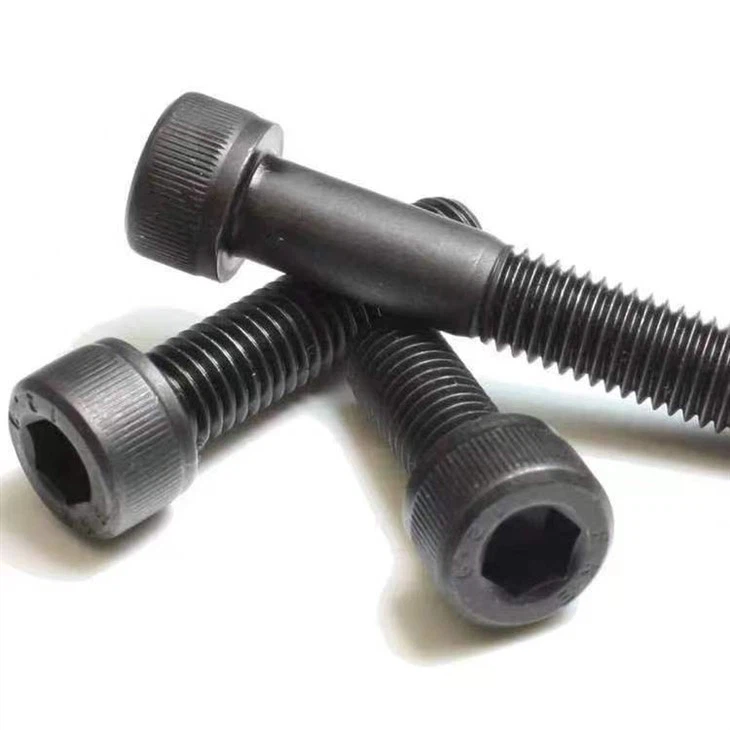
Alright, let's talk about some of the products we offer. We've got a great selection of Hex Cap Screw Din 912. These are high - quality galvanized bolts that are designed to meet the DIN 912 standard. They're commonly used in a variety of applications, and some customers have used them in light marine projects with good results.
We also offer Flange Bolt Yellow Zinc. The yellow zinc coating not only gives them a bit of a distinct look but also provides an extra level of corrosion protection. These flange bolts are great for applications where you need a secure connection, and they can be used in some marine settings, especially if you take care of them.
And if you're looking for something with a bit more strength, our High Strength Hex Cap Screw Din 912 could be the answer. These bolts are made of high - strength steel and then galvanized for corrosion resistance. They're perfect for applications where you need a lot of tensile strength.
In conclusion, galvanized hex bolts can be suitable for marine applications, but it really depends on the specific circumstances. If it's a light - duty, occasional exposure situation, they're a great, cost - effective option. But for more demanding marine environments, you might want to consider other materials.
If you're interested in learning more about our hex bolts or have any questions about which ones would be right for your marine project, don't hesitate to reach out. We're here to help you make the best choice for your needs. Whether you're a hobbyist working on your boat in the backyard or a professional in the marine industry, we've got the products and the knowledge to assist you. So, if you're thinking about making a purchase, feel free to get in touch and let's start a conversation about your requirements.
References
- Corrosion Basics for Marine Applications, National Association of Corrosion Engineers
- Handbook of Corrosion Engineering, McGraw - Hill