

Hey there! I'm a supplier of Cap Nut Din 1587, and I've been in this business for quite a while. One question I get asked a lot is, "How can I identify a genuine Cap Nut Din 1587?" Well, I'm here to share some tips and tricks that I've picked up over the years.
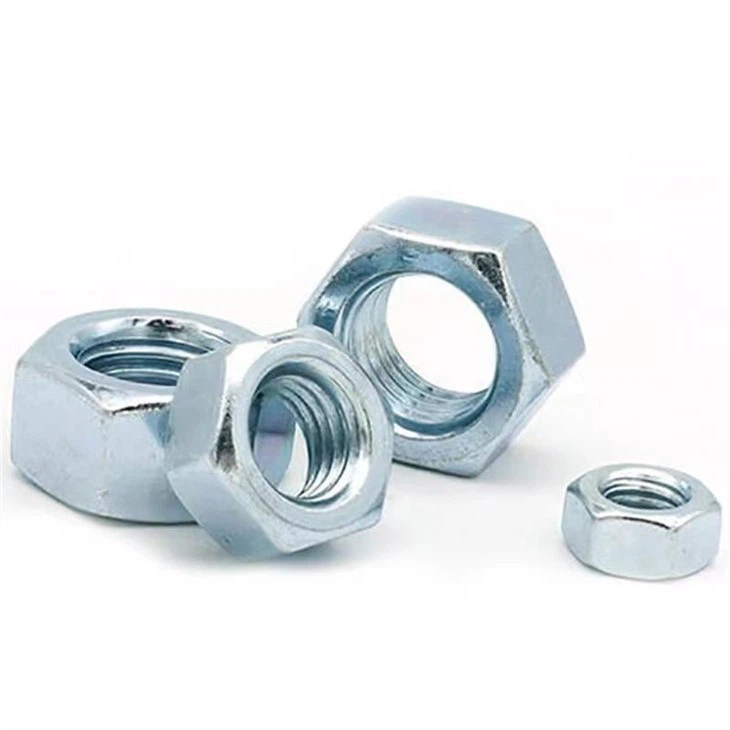

First off, let's talk about what a Cap Nut Din 1587 is. It's a type of fastener with a domed top that covers the end of a bolt or screw, providing a finished look and protecting the threads from damage. These nuts are widely used in various industries, from automotive to machinery, so it's crucial to make sure you're getting the real deal.
Check the Standards
The DIN 1587 standard sets the specifications for cap nuts, including dimensions, material, and tolerance. A genuine Cap Nut Din 1587 should comply with these standards. You can usually find the DIN number stamped on the nut itself. If it's missing or the stamping looks amateurish, that's a red flag.
Measure the nut's dimensions using a caliper. The diameter, height, and thread pitch should match the DIN 1587 standard. Any significant deviation could mean that the nut is not genuine. For example, if the nut is too small or too large, it might not fit properly or could compromise the integrity of the joint.
Examine the Material
Cap Nut Din 1587 can be made from different materials, such as steel, stainless steel, and brass. Each material has its own characteristics, and genuine nuts are made from high - quality materials.
Steel nuts should have a smooth finish without any visible cracks, pits, or rust. Stainless steel nuts are known for their corrosion resistance. If a so - called stainless steel Cap Nut Din 1587 shows signs of rust, it's probably a fake. Brass nuts should have a uniform color and a smooth, shiny surface.
You can also perform a simple hardness test. A genuine nut made from the right material will have the appropriate hardness. For instance, steel nuts should be hard enough to resist deformation but not so brittle that they crack easily.
Look at the Threads
The threads on a Cap Nut Din 1587 are crucial. They should be clean, sharp, and evenly spaced. Run your finger along the threads; there should be no rough edges or burrs. The threads should engage smoothly with a corresponding bolt or screw.
If the threads are stripped, misaligned, or have a poor fit, the nut is likely not genuine. Also, check the thread profile. It should match the standard for DIN 1587. A wrong thread profile can lead to a weak connection and potential failure of the joint.
Consider the Manufacturer
Reputable manufacturers are more likely to produce genuine Cap Nut Din 1587. Do some research on the manufacturer. Check if they have a good reputation in the industry, if they have certifications, and if they follow quality control procedures.
You can also look for reviews and testimonials from other customers. If a manufacturer has a lot of negative feedback regarding the quality of their nuts, it's best to stay away.
Compare with Known Genuine Samples
If you have access to a known genuine Cap Nut Din 1587, compare the suspect nut with it. Look at the overall appearance, the stamping, the material finish, and the thread quality. Any differences could indicate that the nut is not genuine.
This side - by - side comparison can be very effective in spotting fakes. Pay attention to even the smallest details, as counterfeiters might try to copy the general look but fail to replicate the quality.
Be Wary of Price
If a Cap Nut Din 1587 is offered at a price that seems too good to be true, it probably is. Counterfeiters often sell fake nuts at a lower price to attract customers. Remember, quality comes at a cost. Genuine nuts are made with the right materials, following strict manufacturing processes, and they require quality control checks.
A very low - priced nut might be made from inferior materials or have poor workmanship, which can lead to problems in the long run.
Now, if you're in the market for other types of nuts, we also offer Hex Nut Din 934, Din557 Square Nuts, and 2h Nut. These nuts also meet high - quality standards and are suitable for a variety of applications.
If you're interested in purchasing Cap Nut Din 1587 or any of our other nuts, don't hesitate to reach out for a purchase negotiation. We're here to provide you with the best products and services.
References
- Machinery's Handbook, 31st Edition
- DIN Standards Publications
- Fastener Industry Guides