

Lubricating Cap Nut Din 1587 correctly is a crucial process that can significantly enhance the performance and longevity of these nuts. As a supplier of Cap Nut Din 1587, I understand the importance of proper lubrication and am here to share some in - depth knowledge on this topic.
Why Lubricate Cap Nut Din 1587?
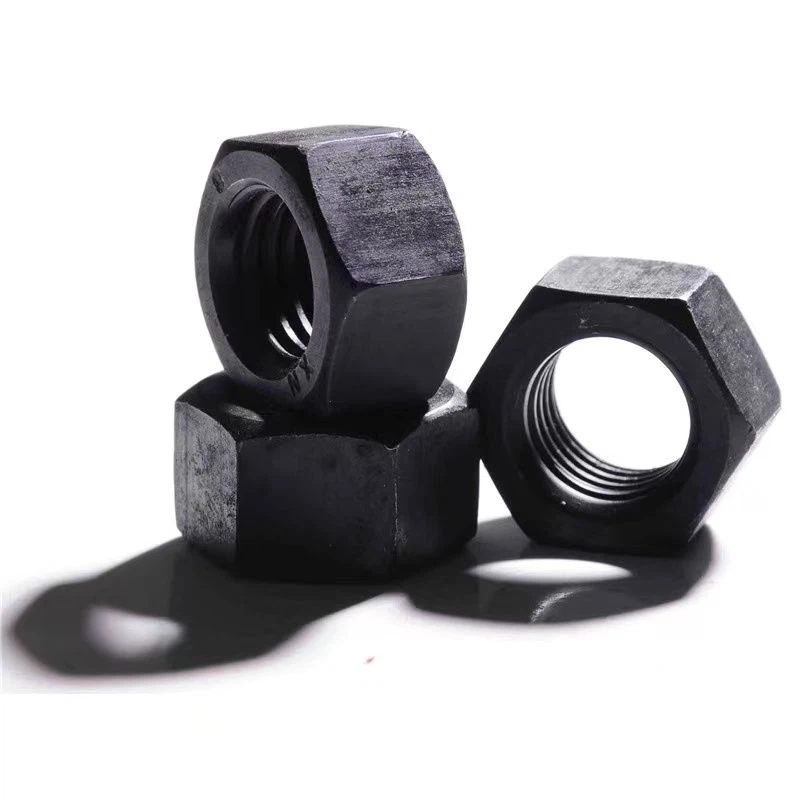
Cap Nut Din 1587 is commonly used in various mechanical and industrial applications. These nuts are designed to protect the threads of bolts and provide a finished appearance. However, without proper lubrication, several issues can arise. Friction between the nut and the bolt can lead to wear and tear, which may result in premature failure of the fastener connection. Additionally, corrosion can occur over time, especially in harsh environments, reducing the integrity of the joint. Lubrication helps to reduce friction, prevent corrosion, and ensure smooth assembly and disassembly of the nuts.

Selecting the Right Lubricant
The first step in correctly lubricating Cap Nut Din 1587 is choosing the appropriate lubricant. There are several types of lubricants available, each with its own set of properties and applications.
- Greases: Greases are a popular choice for lubricating nuts. They have a high viscosity, which allows them to stay in place and provide long - term lubrication. Greases also offer good protection against corrosion. For Cap Nut Din 1587 used in general industrial applications, a lithium - based grease is often a suitable option. Lithium - based greases have excellent mechanical stability and can withstand a wide range of temperatures.
- Oils: Oils are another option. They have a lower viscosity than greases, which means they can penetrate more easily into the threads. Mineral oils are commonly used for light - duty applications, while synthetic oils are preferred for high - temperature or high - load applications. Synthetic oils offer better oxidation resistance and can maintain their lubricating properties over a longer period.
- Dry Lubricants: Dry lubricants, such as graphite or molybdenum disulfide, are ideal for applications where a clean lubrication is required. They do not attract dirt and dust, making them suitable for environments where cleanliness is a concern. Dry lubricants also provide good lubrication at high temperatures.
Preparation Before Lubrication
Before applying the lubricant, it is essential to prepare the Cap Nut Din 1587 properly.
- Cleaning: The nuts should be thoroughly cleaned to remove any dirt, debris, or old lubricant. A solvent can be used for this purpose. Make sure to dry the nuts completely before applying the new lubricant. Any moisture left on the nuts can cause corrosion and reduce the effectiveness of the lubricant.
- Inspection: Inspect the nuts for any signs of damage, such as cracks or stripped threads. Damaged nuts should not be lubricated and used; instead, they should be replaced to ensure the safety and reliability of the joint.
Lubrication Process
Once the nuts are clean and inspected, the lubrication process can begin.
- Applying Grease: If using grease, a grease gun can be used to apply the grease directly to the threads of the nut. Start from the bottom of the nut and work your way up, ensuring that the grease is evenly distributed along the entire length of the threads. Use a small amount of grease at a time to avoid over - lubrication, which can attract dirt and debris.
- Applying Oil: When using oil, a brush or a dropper can be used to apply the oil to the threads. Make sure to cover all the threads, including the inside and outside of the nut. Allow the oil to penetrate the threads for a few minutes before assembling the nut onto the bolt.
- Applying Dry Lubricants: For dry lubricants, they can be applied in powder form. Simply sprinkle the dry lubricant onto the threads and then use a brush to distribute it evenly. Another method is to mix the dry lubricant with a small amount of solvent to form a paste and then apply it to the threads.
Assembly and Torque
After lubricating the Cap Nut Din 1587, it is time to assemble it onto the bolt. When tightening the nut, it is important to use the correct torque. Lubrication reduces friction, which means that the torque required to tighten the nut will be lower than if the nut was dry. Refer to the manufacturer's specifications for the correct torque values. Over - tightening the nut can cause damage to the threads, while under - tightening can result in a loose connection.
Maintenance and Re - lubrication
Regular maintenance and re - lubrication are necessary to ensure the continued performance of the Cap Nut Din 1587.
- Frequency: The frequency of re - lubrication depends on several factors, such as the operating environment, the load on the joint, and the type of lubricant used. In general, nuts used in harsh environments or high - load applications may need to be re - lubricated more frequently than those used in normal conditions.
- Monitoring: Periodically monitor the condition of the nuts and the joint. Look for any signs of wear, corrosion, or loosening. If any issues are detected, re - lubricate the nuts or take appropriate corrective actions.
Related Products
In addition to Cap Nut Din 1587, we also supply other types of nuts, such as Wing Nut Din 315, Hex Coupling Nut Din 6334, and Hex Nut Din 934. These nuts are also widely used in various industries and may require similar lubrication procedures.
Contact for Procurement
If you are interested in purchasing Cap Nut Din 1587 or any of our other products, we encourage you to contact us for a detailed discussion. Our team of experts can provide you with more information about our products, including specifications, pricing, and delivery options. We are committed to providing high - quality products and excellent customer service.
References
- "Fastener Handbook" by the Fastener Training Institute.
- "Lubrication Engineering" by the Society of Tribologists and Lubrication Engineers.