

Recycling used bolts is not only an environmentally friendly practice but also a cost - effective strategy for businesses. As a bolts supplier, I have witnessed the increasing demand for sustainable solutions in the industry. In this blog, I'll share some effective ways to recycle used bolts to help both the environment and your business.
Why Recycle Used Bolts?
Before delving into the recycling process, it's crucial to understand why recycling used bolts matters. Firstly, it conserves natural resources. Bolts are typically made from metals such as steel, iron, and aluminum, which are non - renewable resources. By recycling, we can reduce the need for mining and extracting new raw materials, thus minimizing the environmental impact.
Secondly, recycling used bolts can significantly reduce energy consumption. The production of new bolts from virgin materials requires a large amount of energy, including the energy used in mining, refining, and manufacturing processes. Recycling, on the other hand, consumes much less energy as the metal has already been processed once.

Finally, recycling used bolts can save costs for businesses. Instead of purchasing new bolts, recycling allows companies to reuse existing materials, which can lead to substantial savings, especially for large - scale projects.
Inspection and Sorting
The first step in recycling used bolts is inspection and sorting. When you receive a batch of used bolts, carefully examine each one to determine its condition. Look for signs of damage, such as cracks, corrosion, or deformation. Bolts that are severely damaged may not be suitable for recycling and should be discarded.
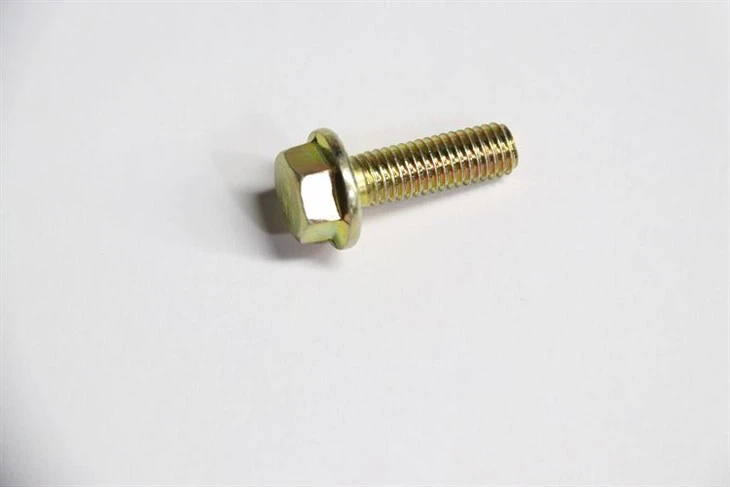
Next, sort the bolts according to their type, size, and material. Different types of bolts, such as Hex Bolt Din 933 Cl 8.8, Flange Bolt Din 6921 Cl 8.8, and Carbon Steel U Bolt Galvanized, have different specifications and recycling requirements. Sorting them will make the subsequent recycling processes more efficient.
Cleaning
After sorting, the bolts need to be cleaned to remove any dirt, grease, or other contaminants. There are several methods for cleaning used bolts:
- Mechanical Cleaning: This method involves using brushes, sandblasting, or tumbling to physically remove dirt and debris from the surface of the bolts. Sandblasting is particularly effective for removing rust and scale, but it should be used with caution to avoid damaging the bolts.
- Chemical Cleaning: Chemical cleaning agents, such as solvents or degreasers, can be used to dissolve grease and oil. However, it's important to choose environmentally friendly cleaning agents and follow proper safety procedures when handling chemicals.
- Ultrasonic Cleaning: Ultrasonic cleaning uses high - frequency sound waves to create microscopic bubbles in a cleaning solution. These bubbles implode on the surface of the bolts, effectively removing dirt and contaminants. Ultrasonic cleaning is a gentle and efficient method, especially for small or delicate bolts.
Re - threading and Re - coating
Once the bolts are clean, they may need to be re - threaded if the threads are damaged or worn. Re - threading involves using a die or a tap to restore the threads to their original condition. This process requires skill and the right tools, so it's often best to have it done by a professional.
In addition to re - threading, some bolts may need to be re - coated to protect them from corrosion. Galvanizing is a common coating method for steel bolts, which involves applying a layer of zinc to the surface of the bolt. Other coating options include painting, powder coating, or applying a rust - inhibiting compound.
Quality Testing
After re - threading and re - coating, the recycled bolts should undergo quality testing to ensure they meet the required standards. The testing methods may include:
- Tensile Testing: This test measures the maximum amount of tensile force a bolt can withstand before breaking. It's an important test to ensure the bolt's strength and reliability.
- Hardness Testing: Hardness testing determines the resistance of the bolt to indentation or scratching. A bolt with the correct hardness is less likely to deform or break under stress.
- Corrosion Resistance Testing: This test evaluates the bolt's ability to resist corrosion in different environments. It can be done by exposing the bolt to a corrosive substance or by using accelerated corrosion testing methods.
Reusing or Selling Recycled Bolts
Once the recycled bolts have passed the quality testing, they can be reused in various applications. For example, they can be used in construction projects, machinery manufacturing, or automotive repair. If you have more recycled bolts than you need, you can also sell them to other businesses or individuals.
Promoting Recycling to Customers
As a bolts supplier, it's important to promote the benefits of recycling used bolts to your customers. You can do this by:
- Educating Customers: Provide information about the environmental and economic benefits of recycling used bolts. You can include this information in your product catalogs, on your website, or during sales meetings.
- Offering Recycling Services: Consider offering recycling services to your customers. This can include collecting used bolts from your customers, recycling them, and offering a discount on new bolts in exchange for the recycled ones.
- Highlighting Sustainable Products: Emphasize the sustainability of your products, including recycled bolts. This can help attract environmentally conscious customers and differentiate your business from competitors.
Conclusion
Recycling used bolts is a win - win solution for both the environment and businesses. By following the steps outlined in this blog, you can effectively recycle used bolts, conserve natural resources, reduce energy consumption, and save costs. As a bolts supplier, I encourage you to embrace recycling and promote sustainable practices in the industry.
If you're interested in purchasing high - quality bolts or learning more about our recycling services, please don't hesitate to contact us for a purchase negotiation. We're committed to providing you with the best products and solutions.
References
- "Handbook of Bolts and Fasteners" by John A. Schey
- "Corrosion Prevention and Control in the Oil and Gas Industry" by David A. Jones
- "Materials Science and Engineering: An Introduction" by William D. Callister, Jr. and David G. Rethwisch