

As a supplier of Wing Nut Din 315, I often get asked about the suitability of these nuts for use in oil - field equipment. In this blog, I will delve into the characteristics of Wing Nut Din 315 and evaluate their viability for oil - field applications.

Understanding Wing Nut Din 315
Wing Nut Din 315 is a type of nut that features two large wings, which allow for easy manual tightening and loosening without the need for tools. These nuts are typically made from materials such as steel, stainless steel, or brass, each offering different levels of strength, corrosion resistance, and durability. The DIN 315 standard specifies the dimensions, tolerances, and material requirements for these nuts, ensuring a certain level of quality and interchangeability.
Requirements of Oil - Field Equipment
Oil - field equipment operates in some of the most demanding environments on the planet. Equipment such as drilling rigs, pumps, and pipelines are exposed to high pressures, extreme temperatures, corrosive substances, and mechanical vibrations. Therefore, the components used in oil - field equipment must meet strict requirements in terms of strength, corrosion resistance, and reliability.
- Strength: Oil - field operations involve high - pressure fluids and heavy loads. Components need to withstand these forces without failing. For example, during drilling, the drill string experiences significant axial and torsional loads. Nuts used in such applications must have sufficient strength to prevent loosening or breaking.
- Corrosion Resistance: Oil and gas fields often contain corrosive substances such as saltwater, hydrogen sulfide (H₂S), and carbon dioxide (CO₂). These substances can cause corrosion, which weakens the components over time. Corrosion - resistant materials are essential to ensure the long - term performance of the equipment.
- Reliability: Any failure in oil - field equipment can lead to costly downtime, environmental hazards, and safety risks. Nuts and other fasteners must be reliable and able to maintain their integrity under harsh operating conditions.
Suitability of Wing Nut Din 315 for Oil - Field Equipment
Advantages
- Ease of Installation and Removal: The wing design of Wing Nut Din 315 allows for quick and easy manual tightening and loosening. This can be a significant advantage during maintenance and repair operations in the oil - field. Workers can save time and effort compared to using traditional nuts that require tools.
- Visual Inspection: The large wings of the wing nut make it easy to visually inspect whether the nut is properly tightened. This can help prevent potential problems caused by loose nuts.
Disadvantages
- Limited Torque: Manual tightening of wing nuts may not provide the same level of torque as using a tool. In applications where high torque is required to ensure a secure connection, Wing Nut Din 315 may not be suitable. For example, in high - pressure pipeline connections, insufficient torque can lead to leaks.
- Corrosion Vulnerability: Depending on the material, Wing Nut Din 315 may be susceptible to corrosion in the harsh oil - field environment. While stainless steel wing nuts offer good corrosion resistance, they are more expensive than steel nuts. And if not properly selected, steel wing nuts can corrode quickly in the presence of corrosive substances.
- Vibration Resistance: Oil - field equipment is subject to significant vibrations. Wing nuts may be more likely to loosen under vibration compared to nuts that are tightened with tools. This can pose a safety risk and may require more frequent inspections and re - tightening.
Alternatives to Wing Nut Din 315 in Oil - Field Equipment
If Wing Nut Din 315 is not suitable for a particular oil - field application, there are several alternatives available.
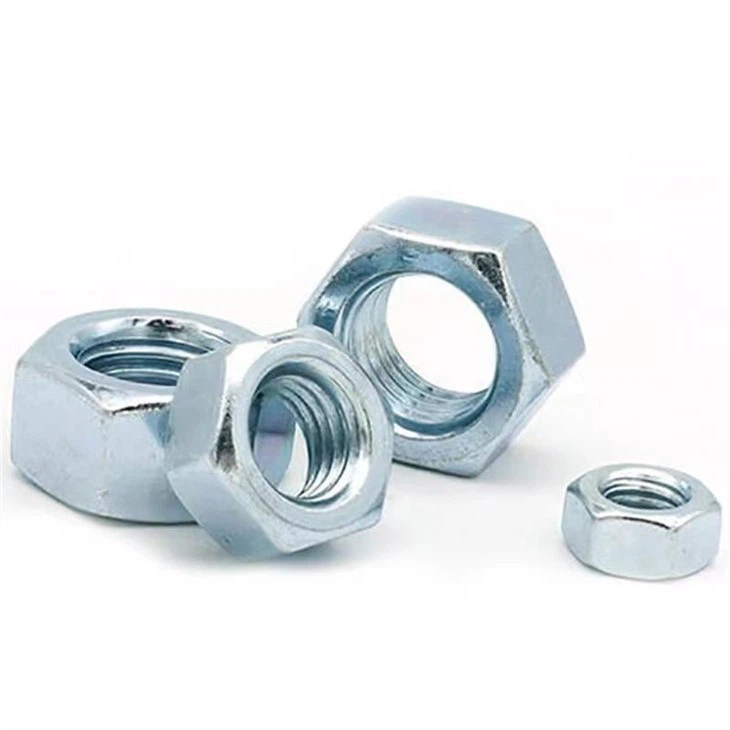
- Hex Nut Din 934: Hex nuts are a common choice in many industrial applications, including oil - field equipment. They can be tightened to a specific torque using a wrench, providing a more secure connection compared to wing nuts. Hex nuts are available in a variety of materials, including carbon steel, stainless steel, and alloy steel, to meet different corrosion and strength requirements.
- 2h Nut: 2h nuts are designed to provide a high - strength connection. They are often used in applications where reliability and high - load capacity are essential. These nuts can be tightened to a precise torque, ensuring a secure fit even under extreme conditions.
- Cap Nut Din 1587: Cap nuts offer protection to the threads of the bolt or stud, preventing corrosion and damage. They can be used in oil - field equipment where the threads need to be protected from the harsh environment.
Conclusion
In conclusion, the suitability of Wing Nut Din 315 for oil - field equipment depends on the specific application. While they offer advantages such as ease of installation and visual inspection, their limited torque, potential corrosion vulnerability, and lower vibration resistance may make them unsuitable for some high - stress and high - corrosion applications.
Before selecting a nut for oil - field equipment, it is crucial to consider the specific requirements of the application, including the level of torque needed, the corrosiveness of the environment, and the amount of vibration. If you are unsure about which type of nut is best for your oil - field equipment, our team of experts is here to help. We can provide detailed technical advice and recommend the most suitable products based on your needs.
If you are interested in purchasing Wing Nut Din 315 or any of our other products, please contact us for a detailed quotation and to discuss your specific requirements. We look forward to working with you to ensure the success of your oil - field operations.
References
- ASME B18.19.1 - 2008, “Wing Nuts.”
- API (American Petroleum Institute) standards related to fasteners in oil - field equipment.
- Manufacturer's specifications for Wing Nut Din 315 and alternative nuts.