

When it comes to fasteners, bolts are indispensable components in countless industries and applications. Among the various types of bolts available in the market, zinc-plated and galvanized bolts are two popular choices, each with its own unique characteristics and benefits. As a leading bolts supplier, we often encounter customers who are confused about the differences between these two types of bolts. In this blog post, we will delve into the details of zinc-plated and galvanized bolts, highlighting their differences in terms of manufacturing process, appearance, corrosion resistance, cost, and application.
Manufacturing Process
The primary difference between zinc-plated and galvanized bolts lies in their manufacturing processes.
Zinc-plated bolts are created through an electroplating process. In this method, the bolts are submerged in a bath containing a zinc solution. An electric current is then passed through the solution, causing zinc ions to bond to the surface of the bolts. This process typically results in a thin layer of zinc coating, usually ranging from 5 to 25 microns in thickness. The electroplating process allows for precise control over the thickness of the zinc layer, making it suitable for applications where a uniform and aesthetically pleasing finish is required.
On the other hand, galvanized bolts are produced using a hot-dip galvanizing process. In this process, the bolts are first cleaned to remove any impurities such as grease, oil, and rust. They are then dipped into a bath of molten zinc at a temperature of around 450°C. The molten zinc reacts with the iron in the steel bolts to form a series of zinc-iron alloy layers. This results in a much thicker and more durable coating, typically ranging from 50 to 100 microns in thickness. The hot-dip galvanizing process provides excellent corrosion protection due to the thick and tightly bonded zinc-iron alloy layers.
Appearance
The appearance of zinc-plated and galvanized bolts also differs significantly.
Zinc-plated bolts have a smooth and shiny finish, similar to the appearance of chrome. The thin zinc layer gives them a clean and uniform look, making them aesthetically appealing for applications where appearance is important, such as in furniture, electronics, and architectural projects. The shiny surface also reflects light, which can enhance the overall visual appeal of the finished product.
Galvanized bolts, on the other hand, have a duller and more textured appearance. The thick zinc-iron alloy layers formed during the hot-dip galvanizing process create a rough and uneven surface. This appearance is less aesthetically pleasing compared to zinc-plated bolts but is often preferred in applications where functionality and durability are the primary concerns, such as in construction, infrastructure, and outdoor applications.
Corrosion Resistance
One of the most important factors to consider when choosing between zinc-plated and galvanized bolts is their corrosion resistance.
Zinc-plated bolts offer a moderate level of corrosion resistance. The thin zinc layer acts as a sacrificial anode, which means that it corrodes preferentially to the underlying steel. This helps to protect the steel from rusting and corrosion. However, the thin zinc layer is more susceptible to damage and wear, which can reduce its effectiveness over time. Zinc-plated bolts are suitable for indoor applications or environments with low levels of moisture and corrosion, such as in electrical panels, machinery, and furniture.

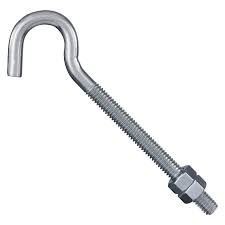
Galvanized bolts, on the other hand, provide superior corrosion resistance. The thick zinc-iron alloy layers formed during the hot-dip galvanizing process act as a barrier between the steel and the environment, preventing moisture and oxygen from reaching the steel surface. This significantly reduces the risk of rusting and corrosion. Galvanized bolts are ideal for outdoor applications or environments with high levels of moisture and corrosion, such as in bridges, buildings, and marine structures.
Cost
Cost is another important factor to consider when choosing between zinc-plated and galvanized bolts.
Zinc-plated bolts are generally less expensive than galvanized bolts. The electroplating process used to produce zinc-plated bolts is relatively simple and requires less energy and materials compared to the hot-dip galvanizing process. This makes zinc-plated bolts a more cost-effective option for applications where corrosion resistance is not a major concern.
Galvanized bolts, on the other hand, are more expensive due to the higher cost of the hot-dip galvanizing process. The process requires more energy and materials, and it also involves additional steps such as cleaning and fluxing. However, the superior corrosion resistance of galvanized bolts can offset the higher initial cost in the long run, especially in applications where the bolts are exposed to harsh environments.
Application
The choice between zinc-plated and galvanized bolts also depends on the specific application.
Zinc-plated bolts are commonly used in applications where appearance and moderate corrosion resistance are required. Some examples of applications where zinc-plated bolts are used include:
- Furniture: Zinc-plated bolts are often used in the assembly of furniture, such as chairs, tables, and cabinets. The smooth and shiny finish of the bolts enhances the overall appearance of the furniture.
- Electronics: Zinc-plated bolts are used in the manufacturing of electronic devices, such as computers, televisions, and smartphones. The moderate corrosion resistance of the bolts helps to protect the electronic components from damage.
- Architectural projects: Zinc-plated bolts are used in architectural projects, such as building facades, handrails, and decorative elements. The aesthetically pleasing finish of the bolts adds to the visual appeal of the building.
Galvanized bolts, on the other hand, are commonly used in applications where high levels of corrosion resistance are required. Some examples of applications where galvanized bolts are used include:
- Construction: Galvanized bolts are widely used in the construction industry, such as in the construction of buildings, bridges, and towers. The superior corrosion resistance of the bolts ensures the structural integrity of the construction.
- Infrastructure: Galvanized bolts are used in infrastructure projects, such as roads, railways, and water treatment plants. The bolts are exposed to harsh environmental conditions, and the high corrosion resistance of galvanized bolts helps to prevent premature failure.
- Marine applications: Galvanized bolts are used in marine applications, such as boats, ships, and offshore platforms. The bolts are exposed to saltwater, which is highly corrosive, and the superior corrosion resistance of galvanized bolts is essential for the safety and reliability of the marine structures.
Conclusion
In conclusion, zinc-plated and galvanized bolts have their own unique characteristics and benefits. Zinc-plated bolts are suitable for applications where appearance and moderate corrosion resistance are required, while galvanized bolts are ideal for applications where high levels of corrosion resistance are needed. As a bolts supplier, we offer a wide range of Hook Bolt Zinc Plated, Hex Bolt Black, and High Strength Din 6921 Cl 8.8 to meet the diverse needs of our customers. Whether you need bolts for indoor or outdoor applications, we have the right solution for you.
If you have any questions or need further information about our bolts, please do not hesitate to contact us. Our team of experts is always ready to assist you in choosing the right bolts for your specific application. We look forward to working with you and providing you with high-quality bolts at competitive prices.
References
- ASM Handbook Volume 5: Surface Engineering. ASM International.
- ASTM A153/A153M - 19 Standard Specification for Zinc Coating (Hot - Dip) on Iron and Steel Hardware. ASTM International.
- ASTM A653/A653M - 19 Standard Specification for Steel Sheet, Zinc - Coated (Galvanized) or Zinc - Iron Alloy - Coated (Galvannealed) by the Hot - Dip Process. ASTM International.