

Yo, what's up everyone! I'm a supplier of bolts, and today I wanna talk about the special requirements for bolts in aerospace applications. It's a super interesting topic, and I've got a ton of info to share with you.
First off, let's understand why aerospace applications are so different from other industries when it comes to bolts. In aerospace, safety is the number one priority. The conditions that bolts have to endure up in the sky are extreme. We're talking about high altitudes, where the temperature can drop way below freezing, and high speeds that create intense vibrations and forces. Plus, there's the issue of weight. Every single gram matters in aerospace, as extra weight means more fuel consumption and less efficiency.
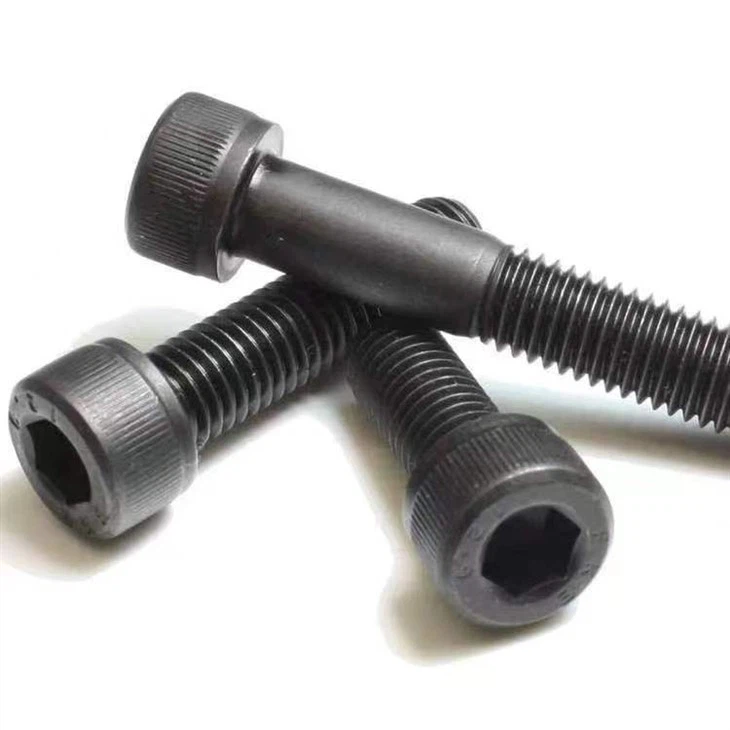
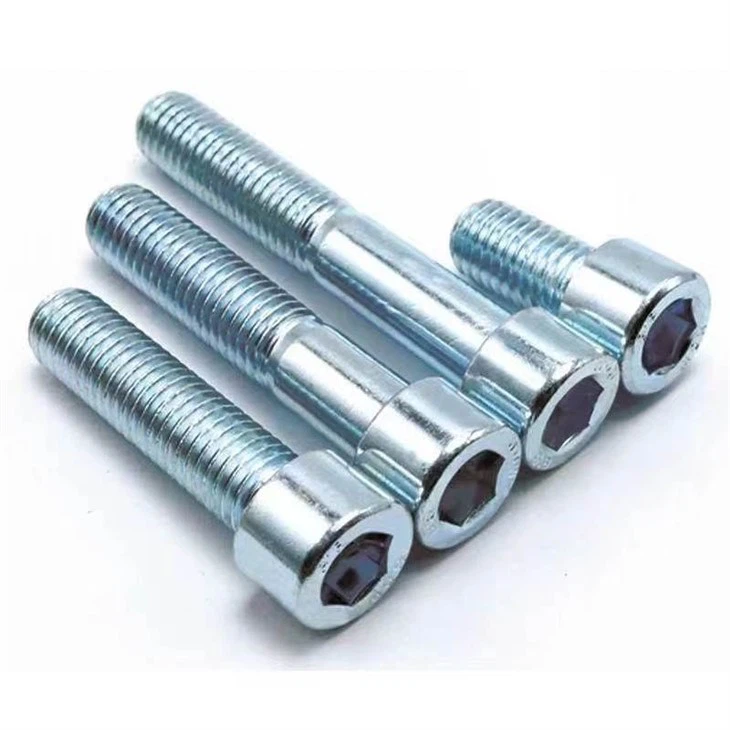
One of the key requirements for aerospace bolts is high strength. These bolts need to hold up under massive loads. When an aircraft is taking off, landing, or even just cruising, the parts are under a lot of stress. That's why we often use high - strength materials like titanium alloys and high - strength steels. For example, High Strength Hex Cap Screw Din 912 is a great choice for aerospace applications. These screws are made to withstand high levels of tension and shear forces. They're designed to keep the different components of the aircraft firmly together, no matter what kind of forces are acting on them.
Corrosion resistance is another major factor. In aerospace, bolts are exposed to all sorts of harsh environments. They can come into contact with moisture, saltwater (especially in naval aviation), and various chemicals. If a bolt corrodes, it can weaken over time and eventually fail, which is a huge safety risk. So, we use special coatings and materials that are highly resistant to corrosion. Stainless steel is a popular choice because it has good corrosion resistance right out of the box. And for some applications, we might use bolts with additional anti - corrosion coatings. Take the Hex Bolt Din 933 Full Thread. These bolts can be treated with special coatings to make them even more resistant to corrosion, ensuring a long service life in tough aerospace environments.
Precision is also crucial in aerospace bolts. The dimensions of these bolts need to be extremely accurate. Even a tiny deviation in size can cause problems. For example, if a bolt is too large, it might not fit properly into the hole, and if it's too small, it won't provide a secure connection. We use advanced manufacturing techniques to ensure that each bolt meets the strictest dimensional tolerances. This precision is what allows the bolts to work perfectly in the complex assemblies of an aircraft.
Another aspect is fatigue resistance. Bolts in aerospace applications are subjected to repeated loading and unloading cycles. Over time, this can cause fatigue, which can lead to cracks and eventual failure. To combat this, we design bolts with specific geometries and use materials that have good fatigue properties. The Hex Bolt Din 931 Cl 8.8 is engineered to have high fatigue resistance. Its design and material composition help it withstand the repeated stresses without failing prematurely.
Weight reduction is a constant goal in aerospace. As I mentioned earlier, every gram counts. So, we're always looking for ways to make bolts lighter without sacrificing strength. This might involve using lighter materials or optimizing the bolt's design. For instance, we can create bolts with hollow shafts or use materials like titanium, which is strong but much lighter than steel.
Now, let's talk about quality control. In the aerospace industry, there's no room for error. Every single bolt that goes into an aircraft has to meet strict quality standards. We have a comprehensive quality control process in place. This includes testing the bolts for strength, hardness, corrosion resistance, and dimensional accuracy. We use advanced testing equipment like tensile testing machines, hardness testers, and coordinate measuring machines. Only after a bolt passes all these tests can it be approved for use in aerospace applications.
When it comes to installation, aerospace bolts also have special requirements. They need to be installed correctly to ensure proper performance. There are specific torque values that need to be followed during installation. If a bolt is over - tightened, it can break or damage the surrounding components. And if it's under - tightened, it might come loose during flight. So, trained technicians use torque wrenches to make sure the bolts are tightened to the correct specifications.
In addition to the technical requirements, there are also regulatory requirements in the aerospace industry. There are strict regulations set by organizations like the Federal Aviation Administration (FAA) in the United States and the European Union Aviation Safety Agency (EASA). These regulations govern everything from the materials used in bolts to the manufacturing processes and quality control procedures. As a bolt supplier, we have to be fully compliant with these regulations to ensure that our bolts can be used in aerospace applications.
So, if you're in the aerospace industry and you're looking for high - quality bolts that meet all these special requirements, look no further. We've got a wide range of bolts, including Hex Bolt Din 933 Full Thread, Hex Bolt Din 931 Cl 8.8, and High Strength Hex Cap Screw Din 912. We're committed to providing the best products and services to our customers. If you're interested in learning more or making a purchase, feel free to reach out to us for a detailed discussion. We're here to help you find the perfect bolts for your aerospace needs.
References:
- "Aerospace Materials and Processes Handbook"
- FAA Regulations on Aerospace Components
- Industry reports on aerospace fasteners