

What is the abrasion resistance of Hex Bolt Din 931?
Hey there! I'm a supplier of Hex Bolt Din 931, and I get a lot of questions about these little but mighty fasteners. One of the most common inquiries I receive is about their abrasion resistance. So, let's dive right in and explore what the abrasion resistance of Hex Bolt Din 931 really means and why it matters.
First off, let's take a quick look at what Hex Bolt Din 931 is. These bolts are a type of hexagon - head bolt that follows the DIN 931 standard. They're widely used in various industries, from construction to machinery manufacturing, because of their reliability and versatility. But when it comes to actual applications, the environment they're used in can be pretty tough on them, and that's where abrasion resistance comes into play.
Abrasion resistance refers to how well a material can withstand wear and tear caused by friction. When a bolt is in use, it can rub against other surfaces, whether it's the nut it's screwed into, the parts it's holding together, or even the environment around it. This friction can slowly wear down the bolt over time, reducing its strength and potentially causing it to fail.
So, what factors affect the abrasion resistance of Hex Bolt Din 931? One of the most important factors is the material the bolt is made from. Most Hex Bolt Din 931 are made from carbon steel, which is a popular choice because it's strong and relatively inexpensive. However, the abrasion resistance of carbon steel can vary depending on its composition and heat - treatment. For example, a bolt made from high - carbon steel may have better abrasion resistance than one made from low - carbon steel. The heat - treatment process, like quenching and tempering, can also improve the hardness of the steel, making it more resistant to abrasion.
The surface finish of the bolt also plays a huge role. We often apply different coatings to Hex Bolt Din 931 to enhance their abrasion resistance. Zinc plating is a common choice. It not only provides a certain level of corrosion protection but also adds a hard outer layer that can withstand some abrasion. Another option is hot - dip galvanizing, which creates a thicker and more durable zinc coating. This coating can significantly increase the bolt's lifespan in abrasive environments.
Now, let's talk about why abrasion resistance is so crucial. In construction, for instance, Hex Bolt Din 931 are used to hold together structural components. If these bolts are constantly exposed to abrasive materials like sand, gravel, or even rough concrete surfaces, they need to be able to resist wear. Otherwise, the loosening or failure of bolts can compromise the integrity of the entire structure.
In the machinery industry, these bolts are used in engines, transmissions, and other moving parts. The constant vibration and movement can cause abrasion between the bolts and the mating surfaces. A bolt with poor abrasion resistance may wear out quickly, leading to mechanical failures, which can be both costly and dangerous.
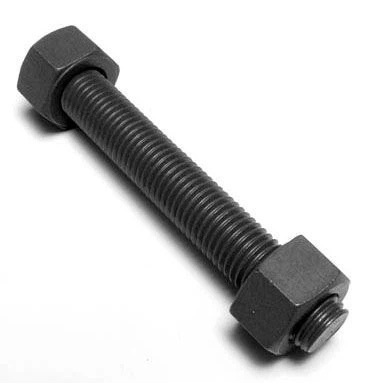
When it comes to comparing Hex Bolt Din 931 with other types of bolts, we can look at some similar products. For example, the Hex Bolt Din 933 is also a popular choice. While it shares some similarities with Din 931, the abrasion resistance might differ depending on its specific design and manufacturing process. The Flange Bolt Din 6921 Cl 8.8 is another type of bolt that has its own unique characteristics in terms of abrasion resistance. The flange on this bolt can provide additional support and protection, but it also needs to be resistant to wear itself. And the Carbon Steel Stud Bolt has its own set of applications and requirements for abrasion resistance.
As a supplier of Hex Bolt Din 931, I understand the importance of providing high - quality products. We conduct strict quality control measures on our bolts. We test the abrasion resistance of our bolts using industry - standard methods. We also work closely with our customers to understand their specific needs and recommend the most suitable bolts for their applications.
If you're in a situation where you need bolts with excellent abrasion resistance, don't hesitate to reach out. Whether you're working on a large - scale construction project or a small - scale machinery repair, we can provide you with the right Hex Bolt Din 931. We can offer different sizes, materials, and surface finishes to meet your exact requirements.
In conclusion, the abrasion resistance of Hex Bolt Din 931 is a critical factor that can determine the performance and lifespan of these bolts in various applications. By understanding the factors that affect abrasion resistance and choosing the right bolt, you can ensure the reliability and safety of your projects. So, if you're interested in purchasing Hex Bolt Din 931 or have any questions about their abrasion resistance, feel free to get in touch with us. We're here to help you make the best choice.

References
- "Fasteners Handbook" by an industry expert group.
- Standards and guidelines related to DIN 931 bolts.