

Cap nuts, specifically the DIN 1587 type, are essential components in various industrial applications. As a supplier of Cap Nut Din 1587, I have witnessed firsthand the importance of understanding their corrosion rates in different environments. This knowledge is crucial for ensuring the longevity and performance of these nuts in diverse settings.
Understanding Cap Nut Din 1587
Cap Nut Din 1587 is a type of cap nut that conforms to the DIN 1587 standard. These nuts are typically used to protect the threads of bolts and screws from damage, as well as to provide a finished appearance. They are commonly made from materials such as steel, stainless steel, and brass, each with its own unique properties and corrosion resistance characteristics.
Factors Affecting Corrosion Rate
The corrosion rate of Cap Nut Din 1587 can be influenced by several factors, including the environment in which they are used, the material of the nut, and the presence of any protective coatings.
Environmental Factors
- Humidity: High humidity levels can accelerate the corrosion process by providing a moist environment for the formation of rust. In areas with high humidity, such as coastal regions or industrial settings with high moisture content, the corrosion rate of Cap Nut Din 1587 may be significantly higher.
- Temperature: Extreme temperatures can also affect the corrosion rate of Cap Nut Din 1587. High temperatures can increase the rate of chemical reactions, leading to faster corrosion. On the other hand, low temperatures can cause moisture to condense on the surface of the nut, promoting corrosion.
- Chemical Exposure: Exposure to chemicals such as acids, alkalis, and salts can also accelerate the corrosion process. In industrial settings where Cap Nut Din 1587 may come into contact with these chemicals, it is important to choose a material with high chemical resistance.
Material Factors
- Steel: Steel Cap Nut Din 1587 are commonly used due to their high strength and affordability. However, steel is prone to corrosion, especially in the presence of moisture and oxygen. To improve the corrosion resistance of steel nuts, they can be coated with a protective layer such as zinc or chrome.
- Stainless Steel: Stainless steel Cap Nut Din 1587 offer excellent corrosion resistance due to the presence of chromium, which forms a passive oxide layer on the surface of the nut. This oxide layer protects the underlying metal from corrosion. Stainless steel nuts are suitable for use in harsh environments where corrosion is a concern.
- Brass: Brass Cap Nut Din 1587 are known for their aesthetic appeal and good corrosion resistance. Brass is a copper-zinc alloy, and the presence of copper provides some natural corrosion resistance. However, brass nuts may be more susceptible to corrosion in certain environments, such as those with high levels of sulfur or ammonia.
Protective Coatings
Applying a protective coating to Cap Nut Din 1587 can significantly improve their corrosion resistance. Some common types of protective coatings include:
- Zinc Plating: Zinc plating is a popular method of protecting steel nuts from corrosion. The zinc coating acts as a sacrificial anode, corroding in place of the steel. Zinc plating provides good protection in most environments, but it may not be suitable for use in highly corrosive environments.
- Chrome Plating: Chrome plating offers excellent corrosion resistance and a decorative finish. The chrome coating is hard and durable, providing long-lasting protection against corrosion. However, chrome plating is more expensive than zinc plating and may not be suitable for all applications.
- Epoxy Coating: Epoxy coatings are a type of organic coating that can provide excellent corrosion resistance. Epoxy coatings are typically applied in multiple layers and can be customized to meet the specific requirements of the application. Epoxy coatings are suitable for use in a wide range of environments, including harsh industrial settings.
Corrosion Rates in Different Environments
To understand the corrosion rates of Cap Nut Din 1587 in different environments, let's consider some common scenarios:
Indoor Environments
In indoor environments with low humidity and minimal exposure to chemicals, the corrosion rate of Cap Nut Din 1587 is typically very low. Steel nuts may show some signs of corrosion over time, but this can be minimized by using a protective coating such as zinc plating. Stainless steel and brass nuts are even more resistant to corrosion in indoor environments and may not require any additional protection.

Outdoor Environments
Outdoor environments are more challenging for Cap Nut Din 1587 due to the presence of moisture, oxygen, and other environmental factors. In coastal areas, where the air is salt-laden, the corrosion rate of steel nuts can be significantly higher. Stainless steel nuts are a better choice for outdoor applications in coastal areas, as they offer excellent corrosion resistance. Brass nuts may also be suitable for some outdoor applications, but they may require regular maintenance to prevent corrosion.
Industrial Environments
Industrial environments can be particularly harsh on Cap Nut Din 1587 due to the presence of chemicals, high temperatures, and high humidity. In industrial settings where the nuts may come into contact with acids, alkalis, or salts, it is important to choose a material with high chemical resistance. Stainless steel nuts are often the preferred choice for industrial applications, as they offer excellent corrosion resistance and can withstand a wide range of chemicals. Epoxy-coated steel nuts can also provide good protection in industrial environments.
Importance of Choosing the Right Cap Nut
Choosing the right Cap Nut Din 1587 for your application is crucial for ensuring the longevity and performance of your equipment. By considering the environment in which the nuts will be used, the material of the nut, and the presence of any protective coatings, you can select a nut that will provide the best corrosion resistance and meet your specific requirements.
In addition to corrosion resistance, other factors to consider when choosing a Cap Nut Din 1587 include the size, thread pitch, and strength of the nut. It is important to choose a nut that is compatible with the bolt or screw it will be used with and that can withstand the loads and stresses of the application.
Related Products
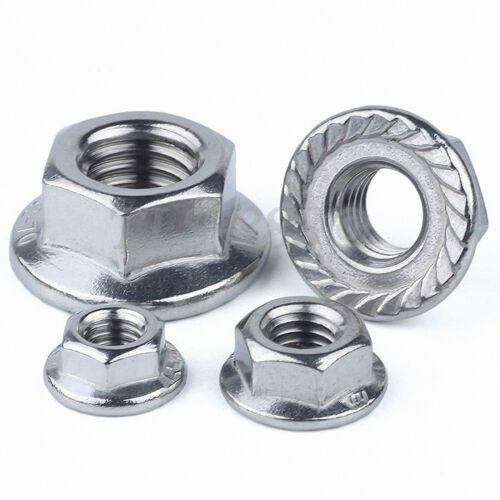
As a supplier of Cap Nut Din 1587, we also offer a wide range of other nuts, including Nylon Lock Nut Din 985 Din 982, Hex Nut Din 934, and Flange Nut Din 6923. These nuts are also available in a variety of materials and finishes to meet your specific needs.
Contact Us for Procurement
If you are in need of Cap Nut Din 1587 or any other types of nuts, please do not hesitate to contact us. Our team of experts can help you choose the right nut for your application and provide you with competitive pricing and excellent customer service. We are committed to providing high-quality products and ensuring your satisfaction.
References
- ASTM International. (2021). Standard Test Methods for Determining the Corrosion Resistance of Coatings on Steel by Salt Spray (Fog) Testing. ASTM B117-21.
- ISO. (2017). Corrosion of metals and alloys — Determination of corrosion rate by electrochemical measurement methods. ISO 17475:2017.
- NACE International. (2016). Corrosion Basics: An Introduction. NACE Publication 0116.