

What is the corrosion resistance of Hex Bolt Din 931?
As a supplier of Hex Bolt Din 931, I often get asked about the corrosion resistance of these bolts. Corrosion resistance is a crucial factor, especially when considering the long - term performance and durability of bolts in various applications. In this blog post, I'll delve into what corrosion resistance means for Hex Bolt Din 931, the factors affecting it, and how it compares to other types of bolts.
Understanding Corrosion and Its Impact on Bolts
Corrosion is a natural process that occurs when metals react with their environment. In the case of bolts, this usually involves the oxidation of iron or other metals present in the bolt material. When a bolt corrodes, it can lead to a number of problems. The strength of the bolt may be compromised as the corroded areas can become brittle and prone to cracking. This can result in joint failure, which can be a safety hazard in applications such as construction, machinery, and automotive.
For Hex Bolt Din 931, which are widely used in different industries due to their standard size and reliable performance, corrosion resistance is of utmost importance. These bolts are often used in outdoor or harsh environments where they are exposed to moisture, chemicals, and varying temperatures.
Factors Affecting the Corrosion Resistance of Hex Bolt Din 931
Material Composition
The material from which the Hex Bolt Din 931 is made is one of the primary factors influencing its corrosion resistance. Most commonly, these bolts are made from carbon steel, alloy steel, or stainless steel.
Carbon steel bolts are the most basic type. They are relatively inexpensive but have limited corrosion resistance. Carbon steel is prone to rusting when exposed to moisture and oxygen. However, they can be coated to improve their corrosion resistance.
Alloy steel bolts, on the other hand, contain additional elements such as chromium, nickel, and molybdenum. These elements enhance the strength and corrosion resistance of the bolts compared to carbon steel. Alloy steel bolts can withstand more challenging environments, but they are also more expensive.

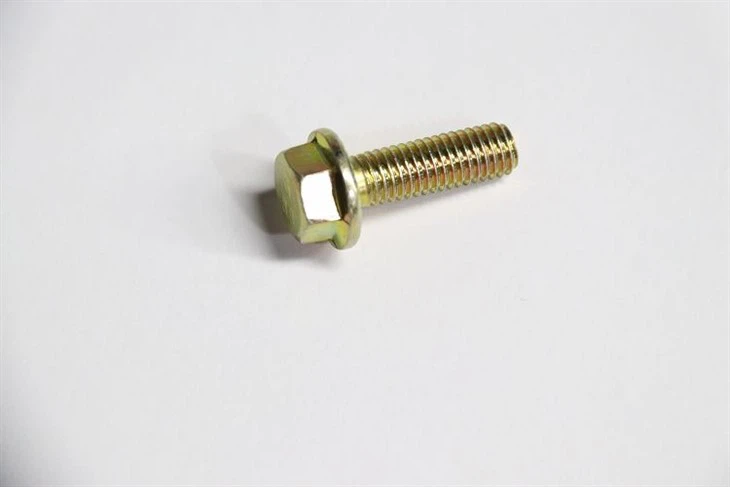
Stainless steel is the top choice when it comes to corrosion resistance. Stainless steel Hex Bolt Din 931 contains a high percentage of chromium, which forms a passive oxide layer on the surface of the bolt. This layer protects the underlying metal from further oxidation and corrosion. Stainless steel bolts are suitable for applications where high - level corrosion resistance is required, such as in marine environments or chemical processing plants.
Surface Coating
Surface coatings are another important factor in enhancing the corrosion resistance of Hex Bolt Din 931. There are several types of coatings available, each with its own advantages.
Zinc plating is a common coating for carbon steel bolts. Zinc acts as a sacrificial anode, meaning it corrodes preferentially to the underlying steel. This provides a certain level of protection to the bolt. However, the thickness of the zinc coating affects its durability. Thicker coatings generally offer better long - term protection.
Hot - dip galvanizing is a more robust coating method. In this process, the bolts are dipped into a bath of molten zinc. The resulting coating is thicker and more uniform than zinc plating, providing excellent corrosion resistance. Hot - dip galvanized bolts are often used in outdoor structures such as bridges and fences.
Other coatings include epoxy coatings, which provide a barrier between the bolt and the environment, and phosphate coatings, which can improve the adhesion of subsequent paint or lubricant coatings.
Environmental Conditions
The environment in which the Hex Bolt Din 931 is used plays a significant role in its corrosion resistance. In a dry, indoor environment, the risk of corrosion is relatively low. However, in outdoor environments, factors such as humidity, temperature, and the presence of pollutants can accelerate corrosion.
High humidity levels increase the amount of moisture on the surface of the bolt, promoting the oxidation process. Saltwater environments, such as coastal areas or ships, are particularly corrosive due to the presence of chloride ions. These ions can break down the protective oxide layer on the bolt surface, making it more susceptible to corrosion.
Industrial environments may also contain chemicals such as acids, alkalis, or heavy metals, which can react with the bolt material and cause corrosion.
Comparison with Other Types of Bolts
When comparing the corrosion resistance of Hex Bolt Din 931 with other types of bolts, it's important to consider the specific requirements of the application.
Flange Bolt Din 6921 and Flange Bolt Din 6921 Cl 8.8 are used in applications where a larger bearing surface is required. Similar to Hex Bolt Din 931, their corrosion resistance depends on the material and coating. However, due to their different design and potentially larger size, they may have different corrosion patterns in certain environments.
Eye Bolt Galvanized is often used for lifting applications. The galvanized coating provides good corrosion resistance, but the eye - shaped design may have areas where moisture can accumulate, increasing the risk of corrosion in those spots compared to the more straightforward design of Hex Bolt Din 931.
Importance of Corrosion Resistance in Different Industries
In the construction industry, Hex Bolt Din 931 with good corrosion resistance is essential for the long - term stability of structures. Buildings, bridges, and towers are exposed to the elements for decades, and corroded bolts can compromise the integrity of the entire structure.
In the automotive industry, corrosion - resistant bolts are necessary to ensure the safety and reliability of vehicles. Bolts used in engine components, chassis, and body parts need to withstand vibrations, temperature changes, and exposure to road salt and moisture.
The machinery industry also relies on Hex Bolt Din 931 with high corrosion resistance. Industrial machinery often operates in harsh environments, and corroded bolts can lead to equipment failure, downtime, and costly repairs.
Ensuring the Best Corrosion Resistance for Your Needs
As a supplier of Hex Bolt Din 931, I understand that every customer has unique requirements. When choosing the right bolts for your application, it's important to consider the environment in which the bolts will be used, the expected service life, and your budget.
If you're working in a mildly corrosive environment, carbon steel bolts with a zinc - plated coating may be sufficient. However, for more demanding applications, such as in marine or chemical industries, stainless steel bolts or hot - dip galvanized bolts are recommended.
I can provide a wide range of Hex Bolt Din 931 options to meet your specific corrosion - resistance needs. Whether you need standard carbon steel bolts or high - end stainless steel ones, I have the expertise and inventory to ensure you get the right product.
Conclusion
The corrosion resistance of Hex Bolt Din 931 is a complex but crucial aspect to consider when using these bolts in various applications. By understanding the factors that affect corrosion resistance, such as material composition, surface coating, and environmental conditions, you can make an informed decision about the best type of bolts for your needs.
If you're in the market for Hex Bolt Din 931 or have any questions about their corrosion resistance, I'd be more than happy to assist you. Contact me to discuss your requirements and start a procurement conversation. I'm committed to providing you with high - quality bolts that meet your performance and durability expectations.
References
- ASM Handbook Volume 13A: Corrosion: Fundamentals, Testing, and Protection. ASM International.
- NACE International: Corrosion Basics: An Introduction. NACE International.
- ISO 10683: Fasteners - Non - electrolytically applied zinc flake coatings. International Organization for Standardization.