

When it comes to the world of fasteners, understanding the properties of each component is crucial for ensuring the safety and reliability of any project. As a supplier of Hex Nut Din 934, I've had numerous inquiries about the hardness of these nuts. In this blog, I'll delve into what hardness means in the context of Hex Nut Din 934, why it matters, and how it impacts their performance.
Understanding Hardness in Fasteners
Hardness is a fundamental material property that refers to a material's resistance to permanent deformation, particularly indentation, scratching, or abrasion. In the case of fasteners like Hex Nut Din 934, hardness is a critical characteristic because it directly affects the nut's ability to withstand the forces applied during installation and use.
There are several methods to measure hardness, with the most common ones being the Brinell, Rockwell, and Vickers hardness tests. Each test has its own scale and is suitable for different types of materials and applications. For Hex Nut Din 934, the Rockwell hardness test is often used due to its simplicity and wide acceptance in the fastener industry.
Hardness Requirements for Hex Nut Din 934
The DIN 934 standard specifies the technical delivery conditions for hexagon nuts with a plain finish. According to this standard, the hardness of Hex Nut Din 934 depends on the material and the grade of the nut. Typically, these nuts are made from carbon steel, alloy steel, or stainless steel, each with its own hardness range.
- Carbon Steel Nuts: Carbon steel is a popular choice for Hex Nut Din 934 due to its relatively low cost and good mechanical properties. The hardness of carbon steel nuts can range from approximately 70 to 100 HRB (Rockwell B scale) for lower grades, while higher-grade carbon steel nuts can have a hardness of up to 39 HRC (Rockwell C scale).
- Alloy Steel Nuts: Alloy steel nuts are used in applications where higher strength and hardness are required. These nuts are often heat-treated to achieve the desired hardness. The hardness of alloy steel Hex Nut Din 934 can range from 22 to 39 HRC, depending on the specific alloy composition and heat treatment process.
- Stainless Steel Nuts: Stainless steel nuts are known for their corrosion resistance, making them suitable for use in harsh environments. The hardness of stainless steel Hex Nut Din 934 can vary depending on the type of stainless steel used. Austenitic stainless steel nuts typically have a lower hardness, ranging from 70 to 95 HRB, while martensitic stainless steel nuts can have a hardness of up to 38 HRC.
Why Hardness Matters in Hex Nut Din 934
The hardness of Hex Nut Din 934 plays a crucial role in their performance and durability. Here are some key reasons why hardness is important:
- Resistance to Deformation: A nut with the appropriate hardness can withstand the tightening torque applied during installation without deforming or cracking. This ensures a secure and reliable connection between the nut and the bolt.
- Wear Resistance: Hard nuts are less likely to wear out or become damaged over time, especially in applications where there is a lot of vibration or movement. This helps to maintain the integrity of the fastening system and reduces the risk of loosening.
- Load-Bearing Capacity: The hardness of a nut affects its ability to bear loads. A harder nut can support higher loads without failing, making it suitable for use in heavy-duty applications.
- Corrosion Resistance: In the case of stainless steel nuts, hardness can also impact corrosion resistance. A harder surface can provide better protection against corrosion, especially in environments where there is exposure to chemicals or moisture.
Impact of Hardness on Installation and Use
The hardness of Hex Nut Din 934 can also have an impact on their installation and use. Here are some considerations:
- Tightening Torque: Harder nuts may require higher tightening torques to achieve the desired preload. It's important to follow the manufacturer's recommendations for tightening torque to avoid over-tightening or under-tightening the nut.
- Thread Engagement: The hardness of the nut can affect the thread engagement between the nut and the bolt. A harder nut may require more careful alignment to ensure proper thread engagement, especially in applications where the threads are fine or the tolerance is tight.
- Compatibility with Other Components: When selecting Hex Nut Din 934, it's important to consider the hardness of the other components in the fastening system, such as the bolt and the washer. Mismatched hardness can lead to premature wear or failure of the components.
Quality Control and Testing
As a supplier of Hex Nut Din 934, we understand the importance of quality control and testing to ensure that our nuts meet the required hardness standards. We have a comprehensive quality control system in place that includes the following steps:
- Material Inspection: We carefully inspect the raw materials used to manufacture our nuts to ensure that they meet the specified chemical composition and mechanical properties.
- Hardness Testing: We use state-of-the-art hardness testing equipment to measure the hardness of our nuts at various stages of the manufacturing process. This helps us to identify any potential issues and take corrective action before the nuts are shipped to our customers.
- Final Inspection: Before shipping, we conduct a final inspection of each batch of nuts to ensure that they meet all the required specifications, including hardness, dimensional accuracy, and surface finish.
Other Related Nuts in Our Product Range
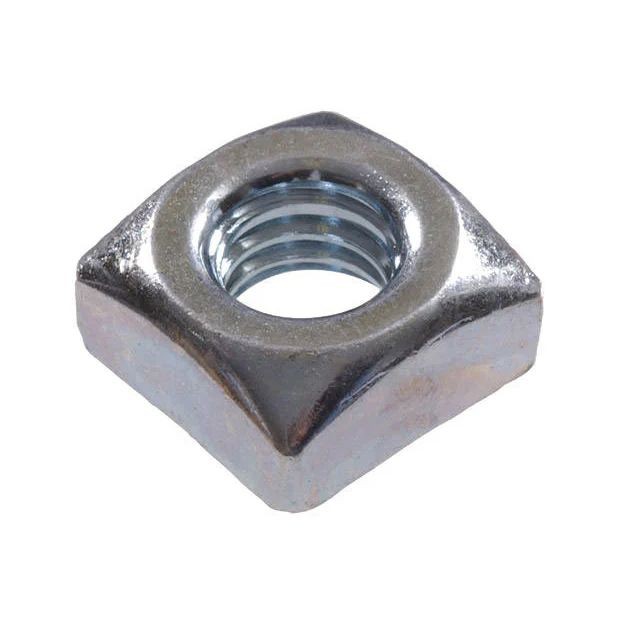
In addition to Hex Nut Din 934, we also offer a wide range of other nuts, including Din557 Square Nuts and Cap Nut Din 1587. These nuts have their own unique properties and applications, and we can provide technical support and advice to help you select the right nut for your specific needs.
Conclusion
The hardness of Hex Nut Din 934 is a critical property that affects their performance, durability, and suitability for different applications. As a supplier, we are committed to providing high-quality nuts that meet the required hardness standards. By understanding the importance of hardness and working closely with our customers, we can ensure that they get the right nuts for their projects.
If you have any questions about the hardness of Hex Nut Din 934 or would like to discuss your specific requirements, please feel free to contact us. We are here to help you find the best fastening solutions for your needs.

References
- DIN 934: Technical delivery conditions for hexagon nuts with plain finish
- Machinery's Handbook, 31st Edition
- Fastener Standards and Specifications Handbook