

Wear resistance is a critical property when it comes to fasteners, especially in industries where components are subject to continuous movement, vibration, and friction. As a supplier of Flange Nut Din 6923, I am often asked about the wear resistance of these nuts. In this blog post, I will delve into the factors that contribute to the wear resistance of Flange Nut Din 6923, compare it with other types of nuts, and discuss its implications for various applications.
Understanding Flange Nut Din 6923
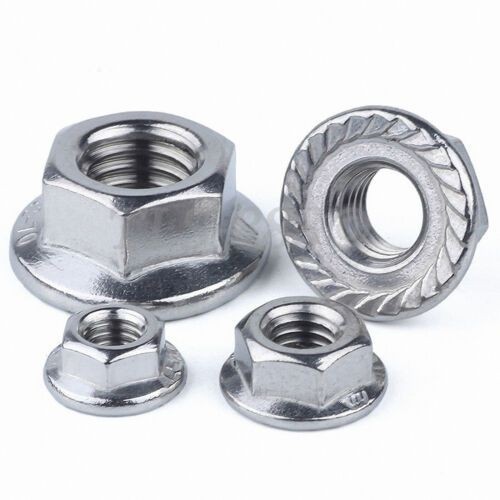
Before we discuss wear resistance, let's briefly introduce Flange Nut Din 6923. These nuts are characterized by a wide flange at one end, which acts as an integrated washer. The flange distributes the load over a larger area, reducing the risk of damage to the mating surface and providing better resistance to loosening due to vibration. The DIN 6923 standard specifies the dimensions, materials, and tolerances for these nuts, ensuring consistent quality and performance.
Factors Affecting Wear Resistance
The wear resistance of Flange Nut Din 6923 is influenced by several factors, including material selection, surface treatment, and the operating environment.
Material Selection
The choice of material is crucial in determining the wear resistance of a fastener. Flange Nut Din 6923 can be made from a variety of materials, such as carbon steel, stainless steel, and alloy steel. Each material has its own unique properties that affect wear resistance.
- Carbon Steel: Carbon steel is a common choice for Flange Nut Din 6923 due to its high strength and relatively low cost. However, carbon steel is prone to corrosion, which can accelerate wear. To improve its wear resistance, carbon steel nuts are often heat-treated to increase their hardness.
- Stainless Steel: Stainless steel is known for its excellent corrosion resistance, making it suitable for applications in harsh environments. It also has good wear resistance, especially in applications where the risk of galling (adhesive wear) is high. Austenitic stainless steels, such as 304 and 316, are commonly used for Flange Nut Din 6923.
- Alloy Steel: Alloy steel contains additional elements, such as chromium, nickel, and molybdenum, which enhance its strength, hardness, and wear resistance. Alloy steel nuts are often used in high-stress applications where superior performance is required.
Surface Treatment
Surface treatment can significantly improve the wear resistance of Flange Nut Din 6923. Common surface treatments include galvanizing, zinc plating, and black oxide coating.
- Galvanizing: Galvanizing is a process of coating the nut with a layer of zinc to protect it from corrosion. The zinc coating also provides some degree of wear resistance by acting as a sacrificial layer. Galvanized nuts are commonly used in outdoor applications where corrosion is a concern.
- Zinc Plating: Zinc plating is similar to galvanizing, but the zinc layer is thinner. It provides good corrosion resistance and is often used for indoor applications. Zinc-plated nuts can also be passivated to further enhance their corrosion resistance.
- Black Oxide Coating: Black oxide coating is a chemical conversion coating that forms a thin, black layer on the surface of the nut. It provides some degree of corrosion resistance and also improves the appearance of the nut. Black oxide-coated nuts are often used in applications where aesthetics are important.
Operating Environment
The operating environment plays a significant role in determining the wear resistance of Flange Nut Din 6923. Factors such as temperature, humidity, and the presence of abrasive particles can all affect the wear rate of the nut.
- Temperature: High temperatures can cause the material of the nut to soften, reducing its hardness and wear resistance. In applications where high temperatures are expected, special heat-resistant materials or surface treatments may be required.
- Humidity: Humidity can cause corrosion, which can accelerate wear. In humid environments, it is important to choose a material with good corrosion resistance and to apply a suitable surface treatment.
- Abrasive Particles: The presence of abrasive particles, such as dust, sand, or metal chips, can cause abrasive wear. In applications where abrasive particles are present, it is important to use a nut with a hard surface or to provide additional protection, such as a dust cover.
Comparing Wear Resistance with Other Nuts
To better understand the wear resistance of Flange Nut Din 6923, let's compare it with other types of nuts, such as Hex Nut Din 934 and Din557 Square Nuts.
Hex Nut Din 934
Hex Nut Din 934 is a standard hexagonal nut without a flange. While it has good strength and is widely used in various applications, its wear resistance may be lower than that of Flange Nut Din 6923. The lack of a flange means that the load is concentrated on a smaller area, which can increase the risk of wear and damage to the mating surface.
Din557 Square Nuts
Din557 Square Nuts have a square shape and are often used in applications where a larger bearing surface is required. Like Hex Nut Din 934, they do not have a flange, which can affect their wear resistance. However, the square shape provides better resistance to rotation, which can be an advantage in some applications.
Applications and Implications
The wear resistance of Flange Nut Din 6923 makes it suitable for a wide range of applications, including automotive, machinery, and construction.
Automotive Industry
In the automotive industry, Flange Nut Din 6923 is used in various components, such as engines, transmissions, and suspension systems. The high wear resistance of these nuts ensures that they can withstand the continuous vibration and movement associated with automotive applications, reducing the risk of loosening and failure.
Machinery Industry
In the machinery industry, Flange Nut Din 6923 is used in equipment such as pumps, compressors, and conveyor systems. The wear resistance of these nuts is essential for maintaining the integrity of the machinery and preventing downtime due to fastener failure.
Construction Industry
In the construction industry, Flange Nut Din 6923 is used in structural applications, such as steel frames and bridges. The high load-bearing capacity and wear resistance of these nuts ensure that they can withstand the harsh conditions associated with construction sites, providing long-term reliability.

Conclusion
The wear resistance of Flange Nut Din 6923 is influenced by several factors, including material selection, surface treatment, and the operating environment. By choosing the right material and surface treatment, and by considering the operating conditions, it is possible to ensure that these nuts provide long-term performance and reliability. Whether you are in the automotive, machinery, or construction industry, Flange Nut Din 6923 can be a valuable choice for your fastening needs.
If you are interested in purchasing Flange Nut Din 6923 or have any questions about their wear resistance, please feel free to contact us. We are a leading supplier of high-quality fasteners and can provide you with the products and expertise you need.
References
- DIN 6923: Flange nuts, metric fine pitch thread, product grade A
- DIN 934: Hexagon nuts, product grade A and B
- DIN 557: Square nuts, product grade C