

Hey there! I'm a supplier of Bolt Grade 10.9, and while these bolts are pretty popular for their high strength and all, they're not without their downsides. In this blog, I'll be spilling the beans on what those disadvantages are.
High Cost
One of the most obvious drawbacks of using Bolt Grade 10.9 is the cost. These bolts are made from high - quality alloy steel and go through a series of heat - treatment processes to achieve their high strength. All these steps add up to a significant production cost, which is then passed on to the customer. If you're working on a budget - sensitive project, the price of Grade 10.9 bolts can be a real deal - breaker. For instance, compared to Flange Bolt Din 6921 Cl 8.8, which is also a high - quality bolt but with a lower grade, Grade 10.9 bolts can cost anywhere from 30% to 50% more. This price difference can really stack up when you need a large quantity of bolts for your project.
Brittleness
Grade 10.9 bolts are known for their high strength, but this strength comes at a cost - they're relatively brittle. High - strength materials often have less ductility, which means they can't deform as much before breaking. In applications where there are dynamic loads, such as in machinery that experiences vibrations or shock, this brittleness can be a major problem. A sudden shock or a large vibration could cause a Grade 10.9 bolt to crack or break without much warning. In contrast, High Strength Hex Bolt Din 933 Cl 8.8 has a bit more ductility and might be able to withstand these dynamic loads better without failing catastrophically.
Installation Challenges
Installing Bolt Grade 10.9 correctly is no walk in the park. These bolts require precise torque values during installation. If the torque is too low, the bolt might not hold the joint together properly, leading to loosening over time. On the other hand, if the torque is too high, it can cause the bolt to break or damage the mating parts. This means that you need skilled labor and proper torque - measuring tools to install Grade 10.9 bolts correctly. In some cases, even a small error in torque application can lead to premature failure of the bolt. This is in contrast to Hex Bolt Galvanized, which is generally more forgiving during installation and doesn't require such precise torque control.

Corrosion Susceptibility
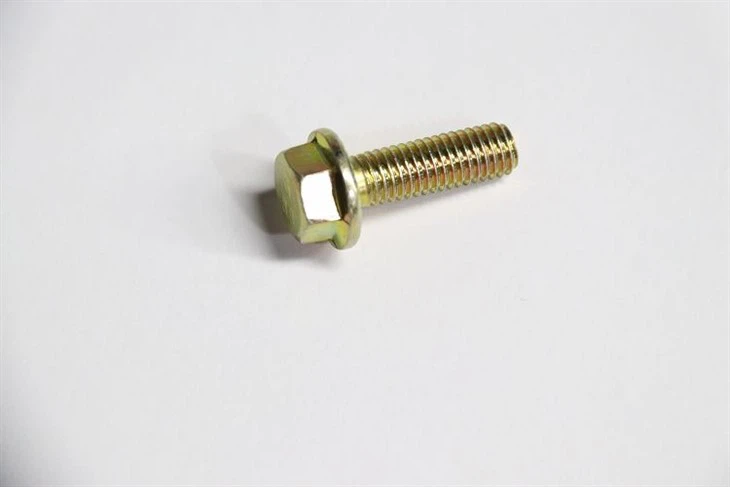
Despite being made from alloy steel, Grade 10.9 bolts are still susceptible to corrosion, especially in harsh environments. The heat - treatment processes that give these bolts their high strength can also make them more vulnerable to rust and other forms of corrosion. If they're used in outdoor applications or in areas with high humidity, chemicals, or saltwater, they need to be properly protected. This might involve additional coating or plating, which adds to the overall cost. And even with protection, there's always a risk of the coating getting damaged, exposing the bolt to corrosion.
Limited Availability
Another disadvantage is that Bolt Grade 10.9 might not be as readily available as some other grades. Since they're a specialized product with a relatively niche market, not all suppliers carry them in large quantities. This can be a problem if you need the bolts urgently for your project. You might have to wait for a supplier to restock or find a different supplier altogether, which can delay your project and potentially cause additional costs.
Fatigue Issues
In applications where there are cyclic loads, Grade 10.9 bolts can experience fatigue failure. The high strength of these bolts doesn't necessarily mean they're immune to fatigue. The repeated loading and unloading can cause small cracks to form in the bolt, which can then grow over time and eventually lead to failure. This is a critical issue in industries such as automotive and aerospace, where safety is of utmost importance.
Compatibility Problems
Grade 10.9 bolts might not be compatible with all types of materials and components. Their high strength can sometimes cause problems when used with softer materials. For example, if you use a Grade 10.9 bolt with a component made of a relatively soft metal, the bolt might over - tighten and damage the softer material. This requires careful consideration of the mating parts when choosing to use Grade 10.9 bolts.
Quality Control Requirements
Due to their high - performance nature, Bolt Grade 10.9 requires strict quality control during manufacturing. Any small defect in the material or the manufacturing process can significantly affect the performance of the bolt. This means that suppliers need to invest a lot in quality control measures, which again adds to the cost. And as a customer, you need to be extra vigilant when purchasing these bolts to ensure that you're getting a high - quality product.
Environmental Impact
The production of Grade 10.9 bolts has a relatively high environmental impact. The heat - treatment processes consume a lot of energy, and the use of alloy steel means that more natural resources are being used. In today's world, where environmental sustainability is becoming increasingly important, this can be a drawback for companies that are trying to reduce their carbon footprint.
Handling Precautions
When handling Bolt Grade 10.9, you need to take extra precautions. Their brittleness means that they can break easily if mishandled. Dropping or hitting a Grade 10.9 bolt can cause internal damage that might not be visible but can still affect its performance. This requires careful handling during storage, transportation, and installation.
Despite all these disadvantages, Bolt Grade 10.9 still has its place in many industries where high strength is a must. If you're in need of these bolts for your project, don't let the drawbacks scare you off completely. But it's important to be aware of these issues so that you can make an informed decision. If you have any questions or want to discuss your specific requirements, feel free to reach out. We're here to help you find the best solution for your project.
References
- "Mechanical Properties of High - Strength Bolts", Journal of Materials Science
- "Corrosion Resistance of Alloy Steel Bolts", Corrosion Science Magazine
- "Installation Guidelines for High - Strength Bolts", Engineering Handbook